
Panelling and Cladding
We make timber ceiling panelling, interior wall panelling and timber facade cladding to measure and fit them on site.
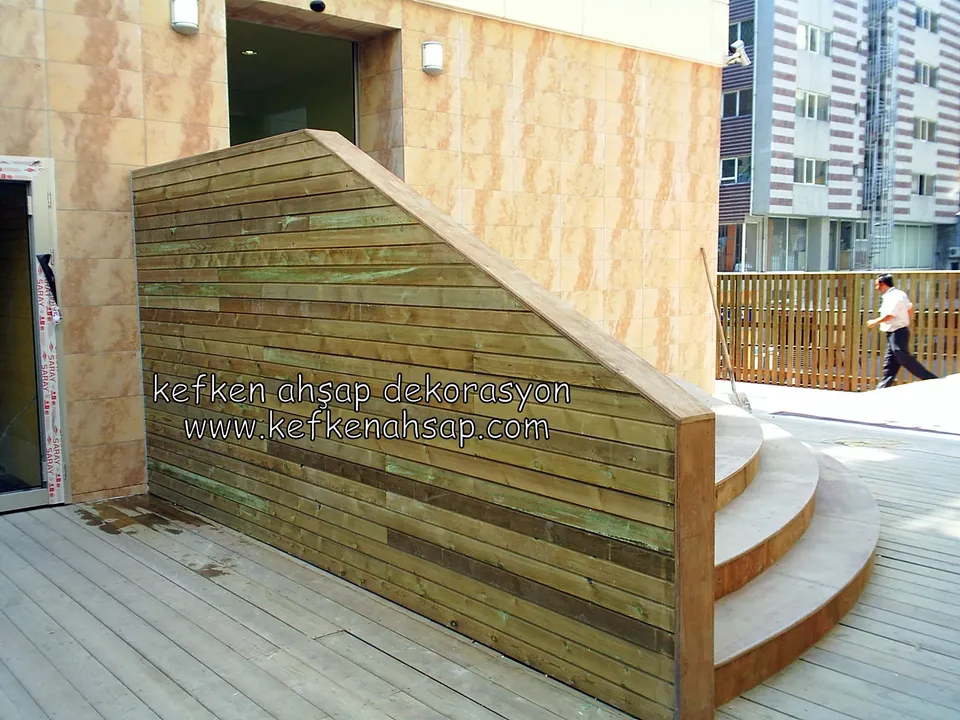
Our work
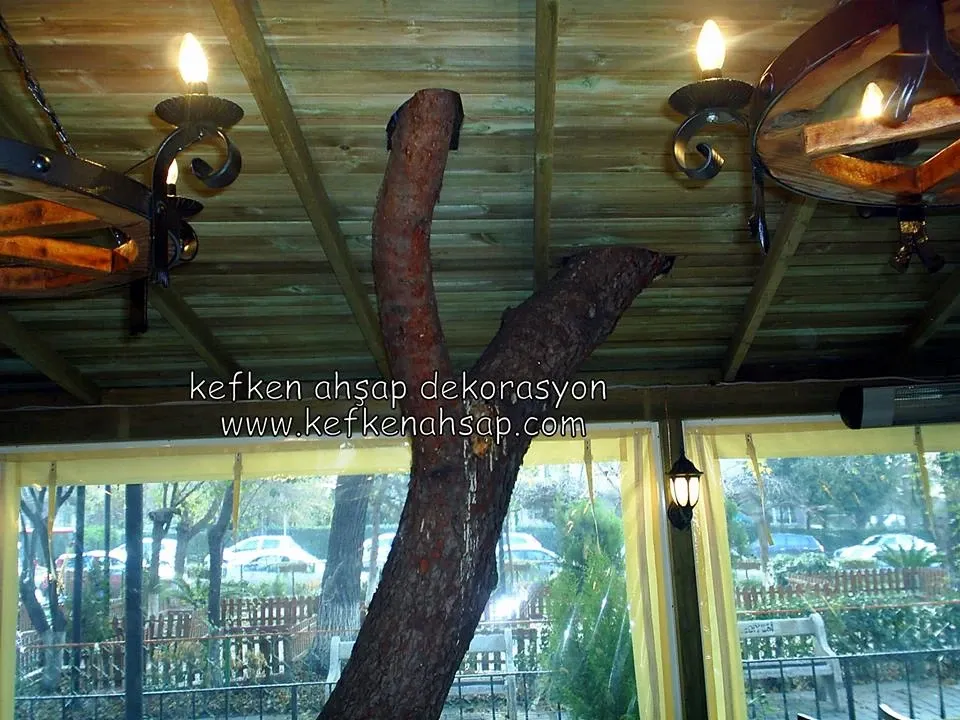
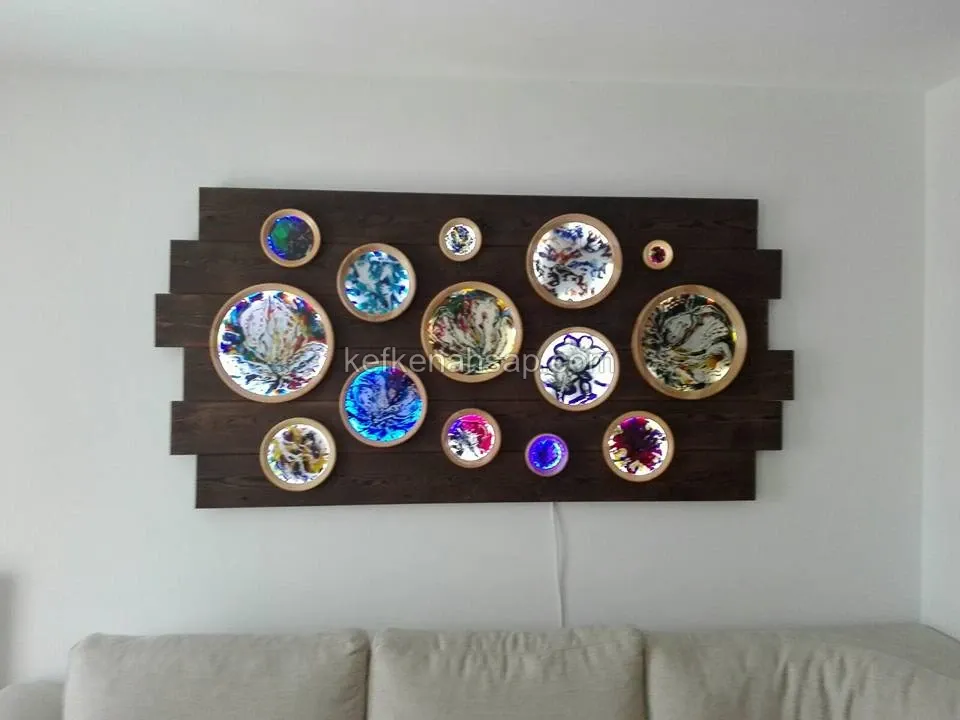
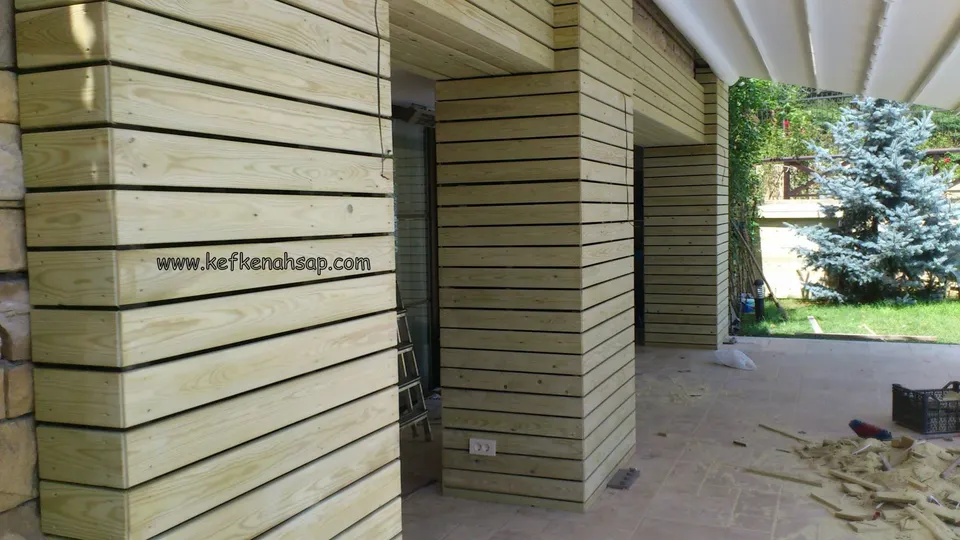
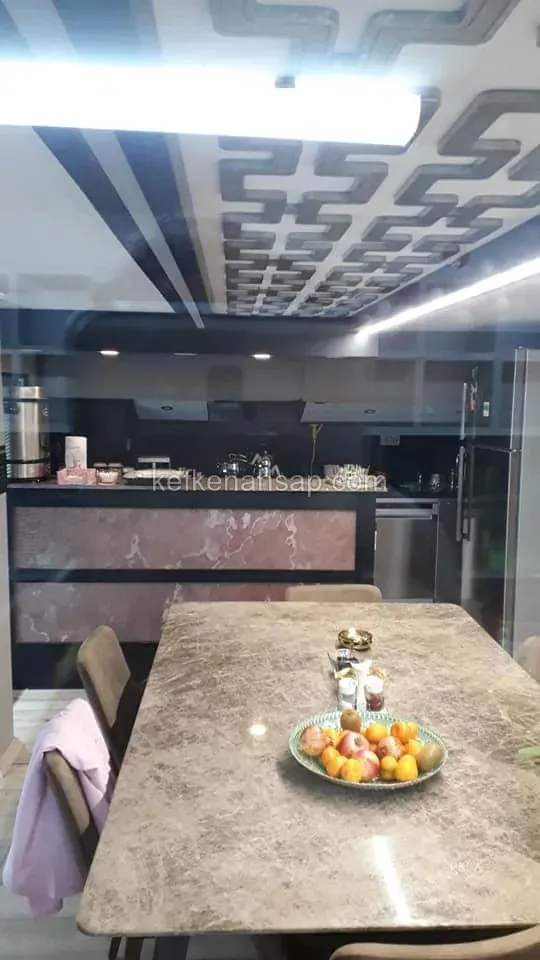
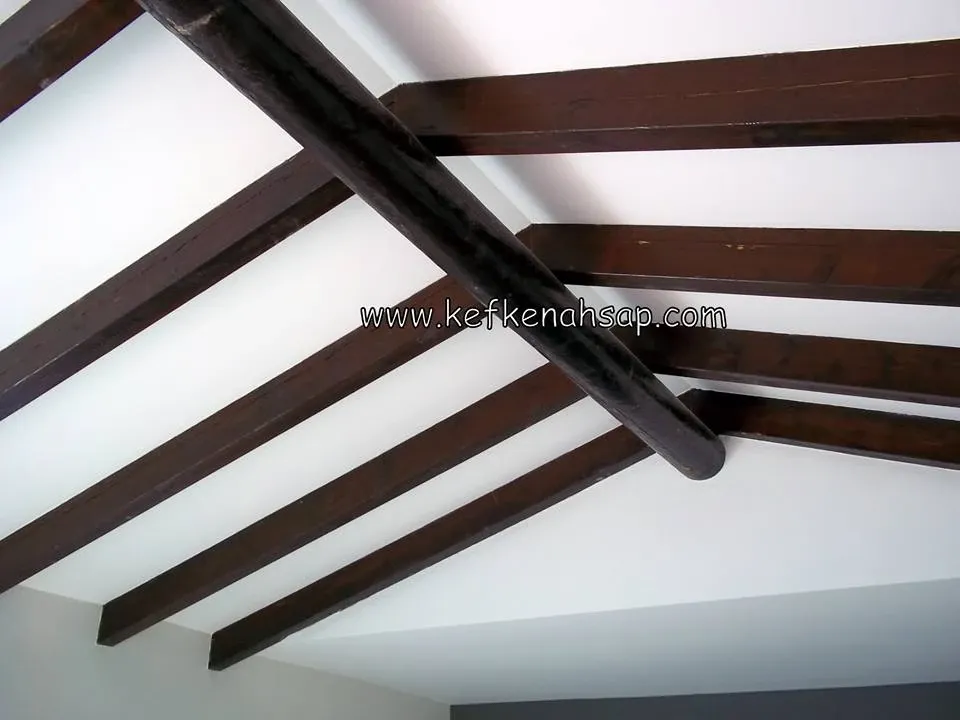
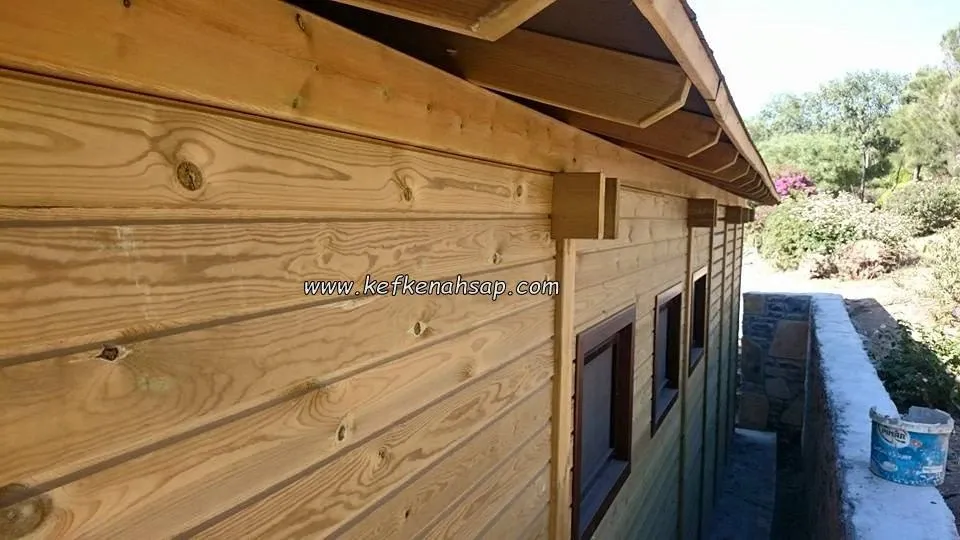
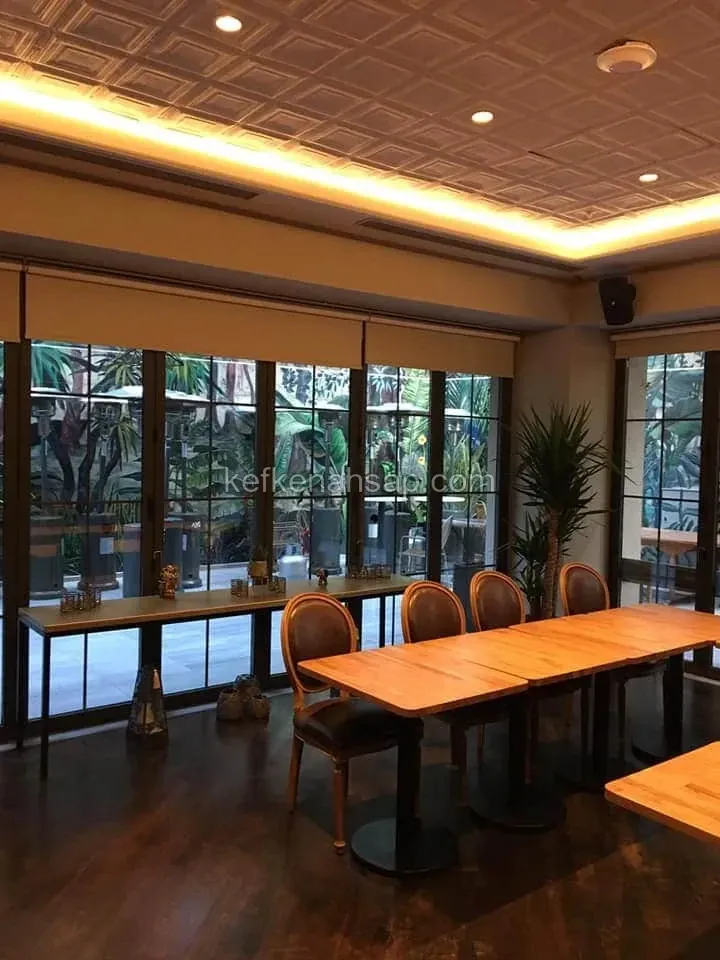
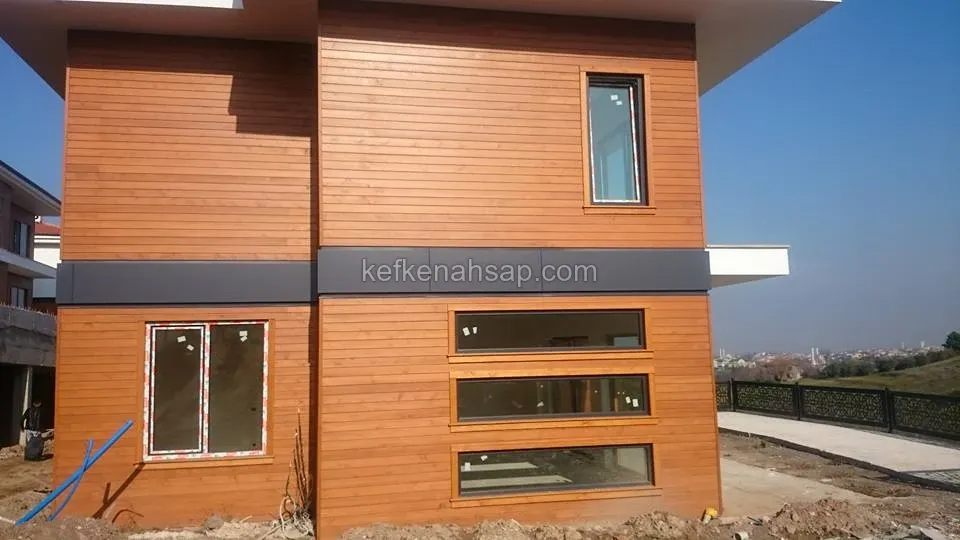
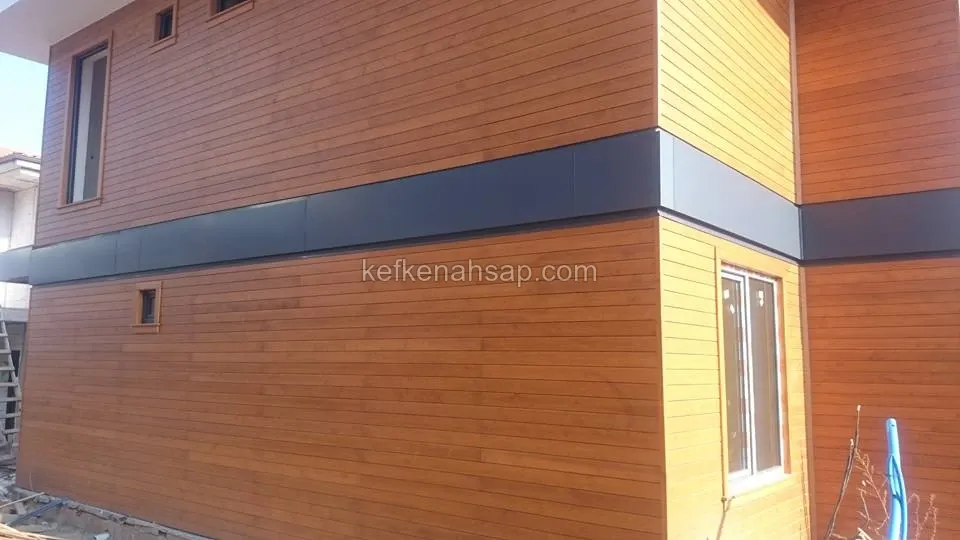
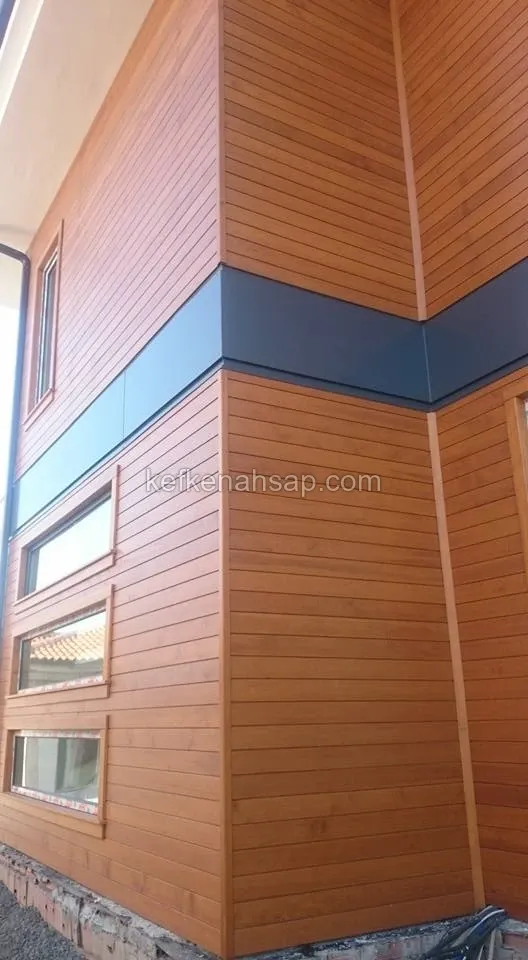
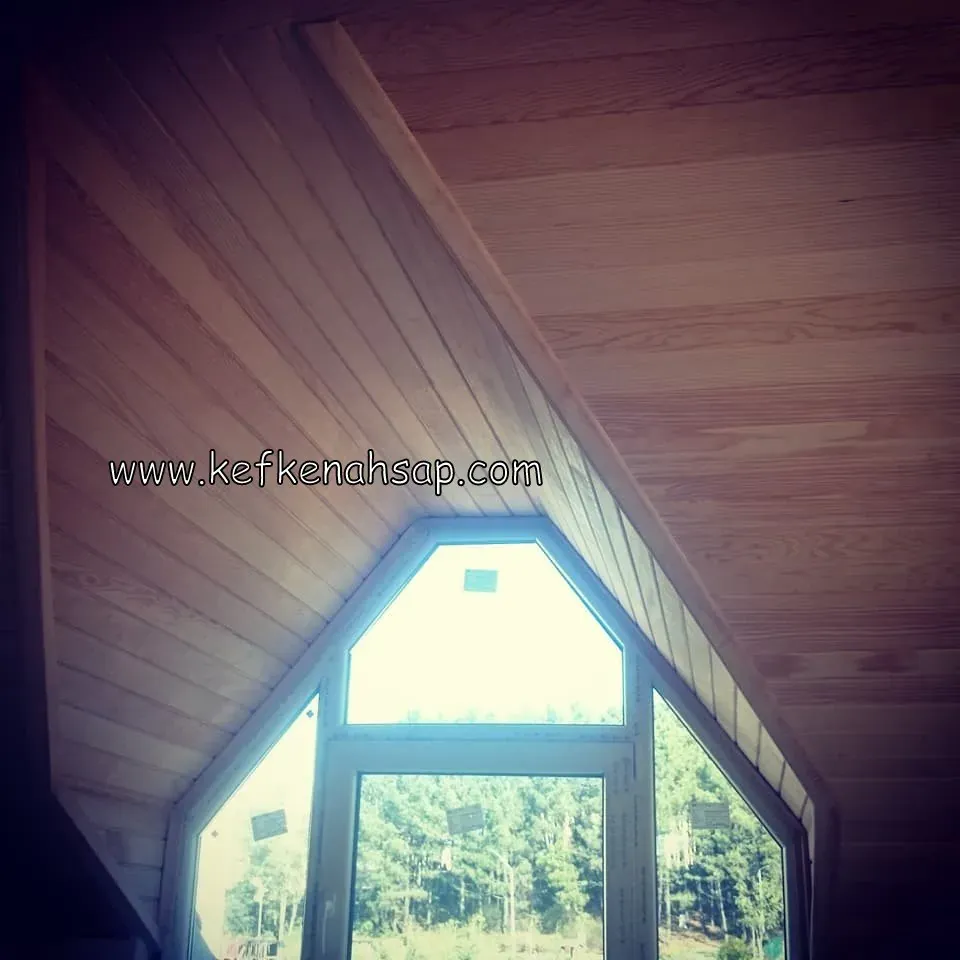
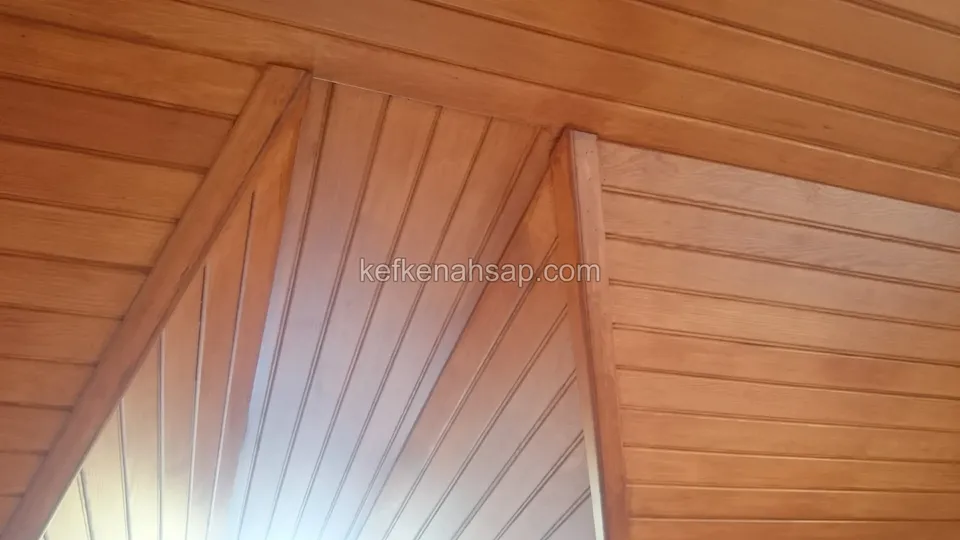
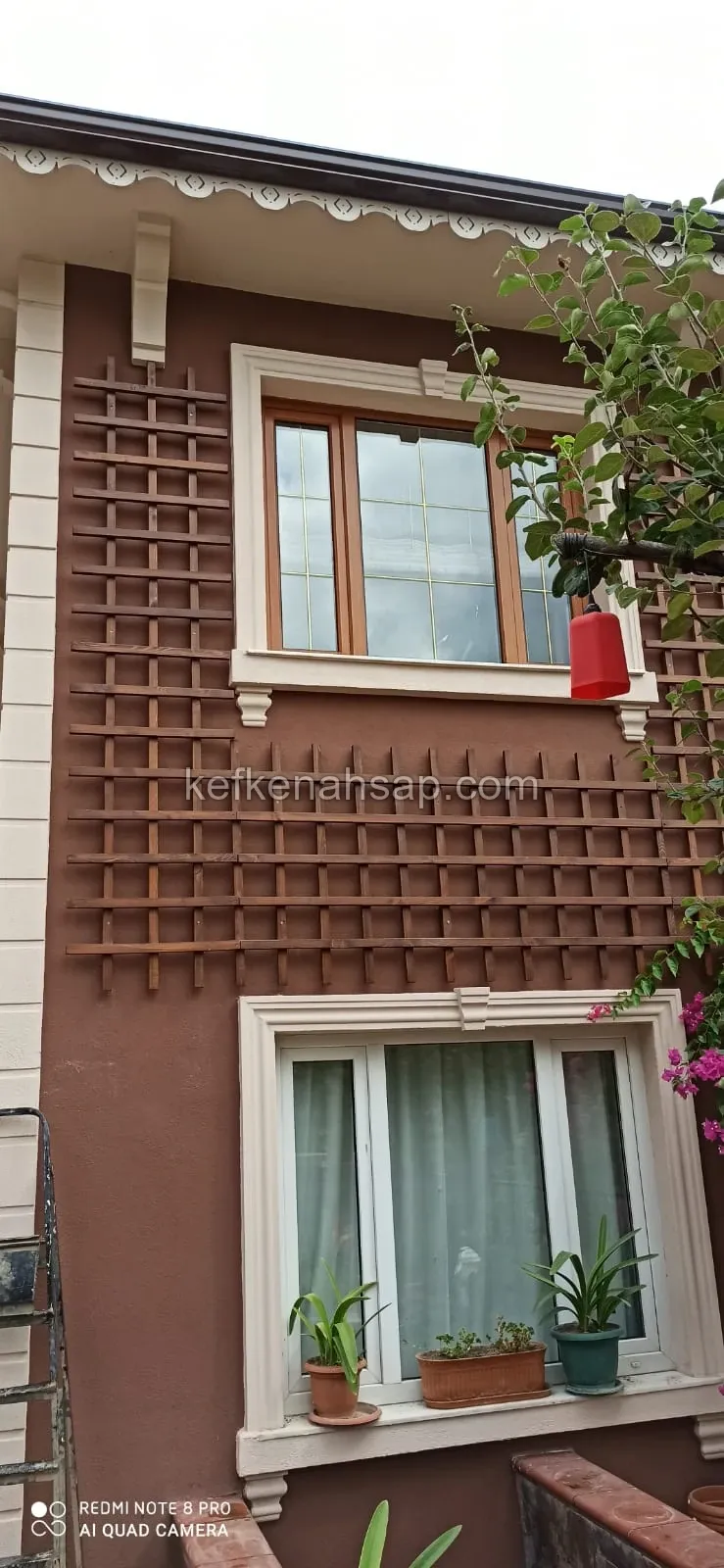
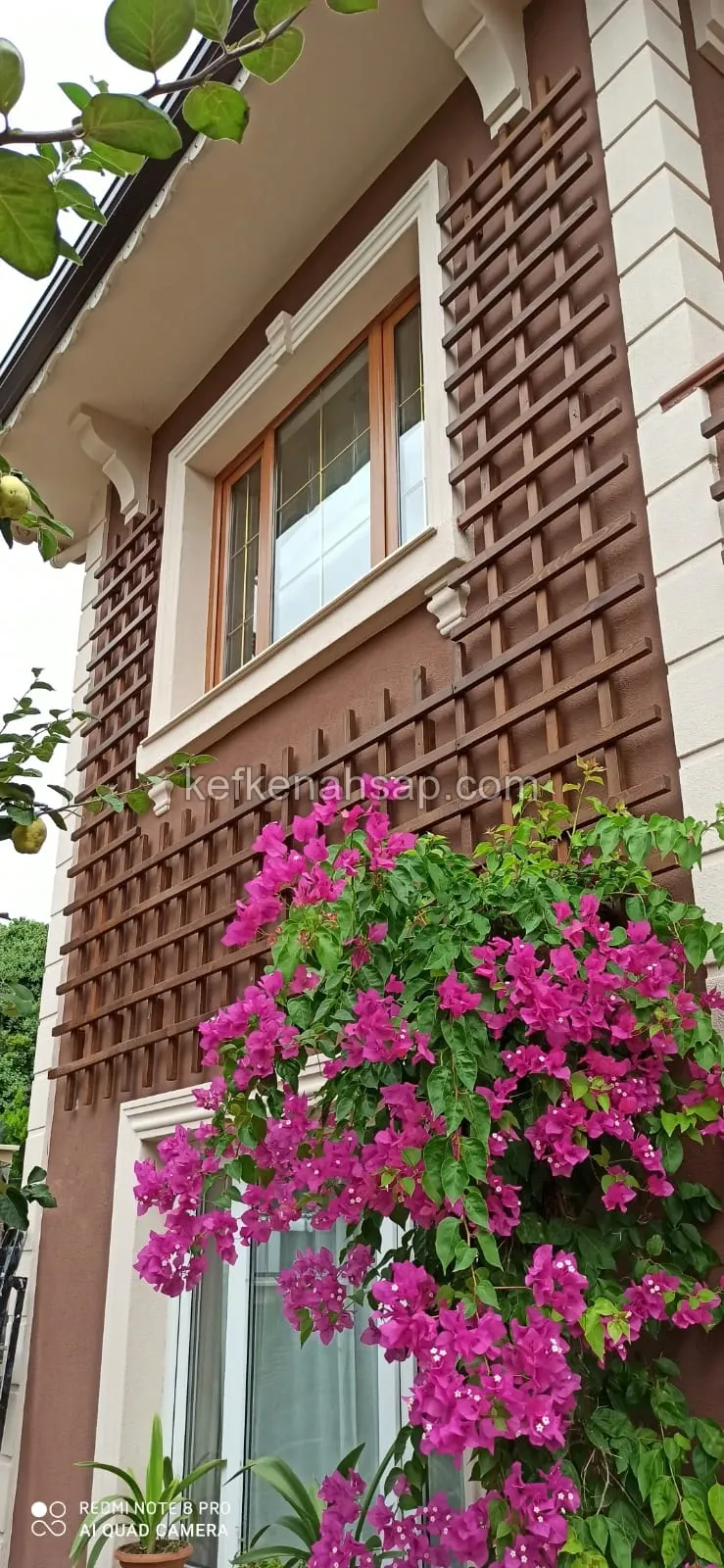
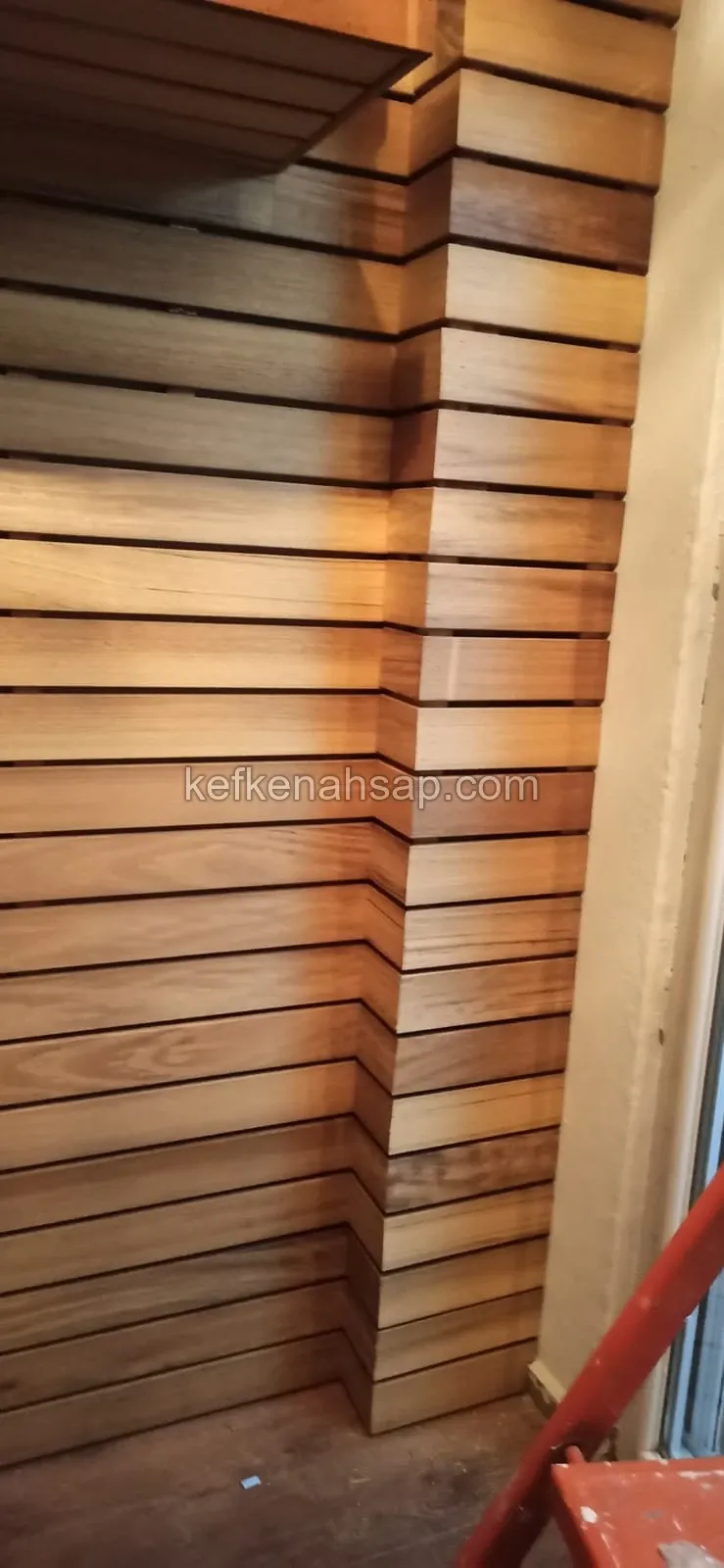
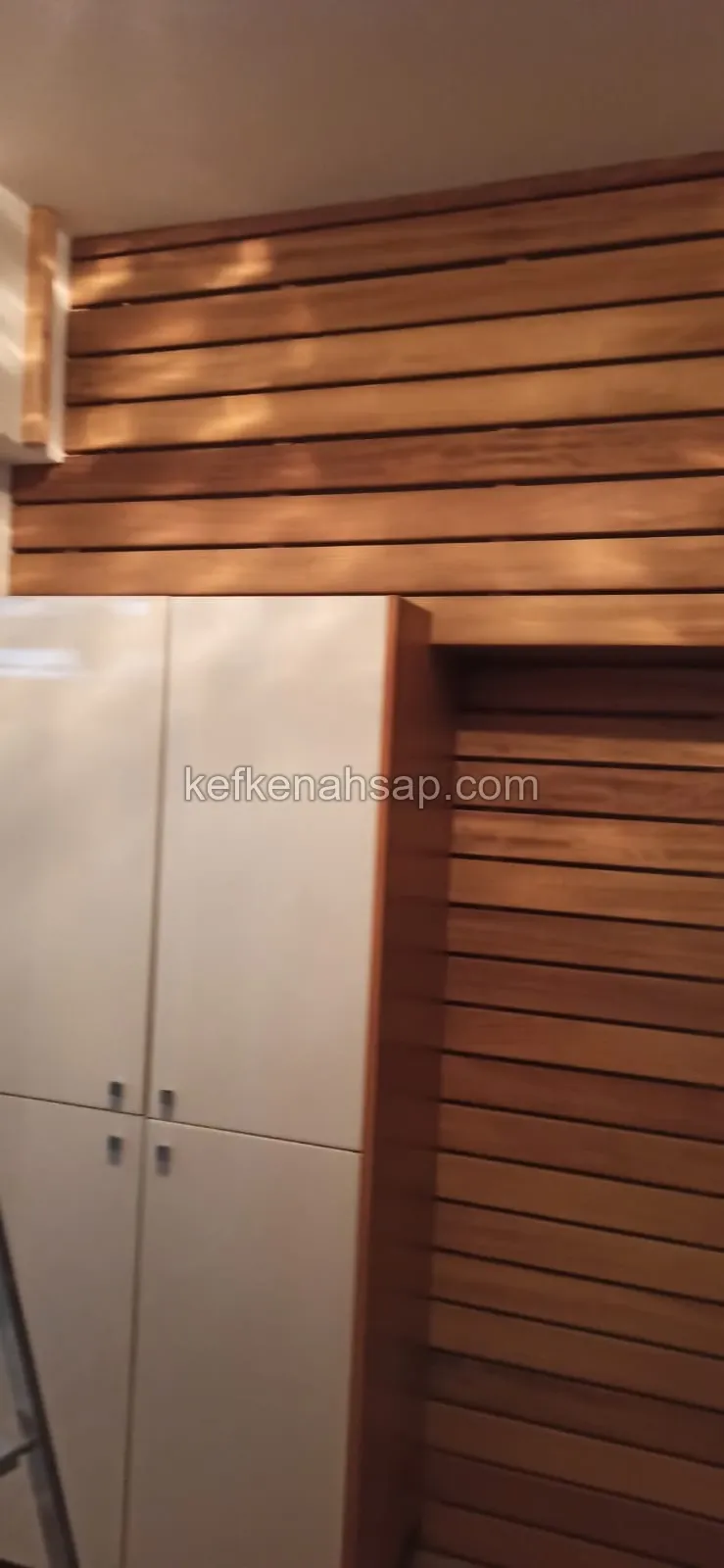
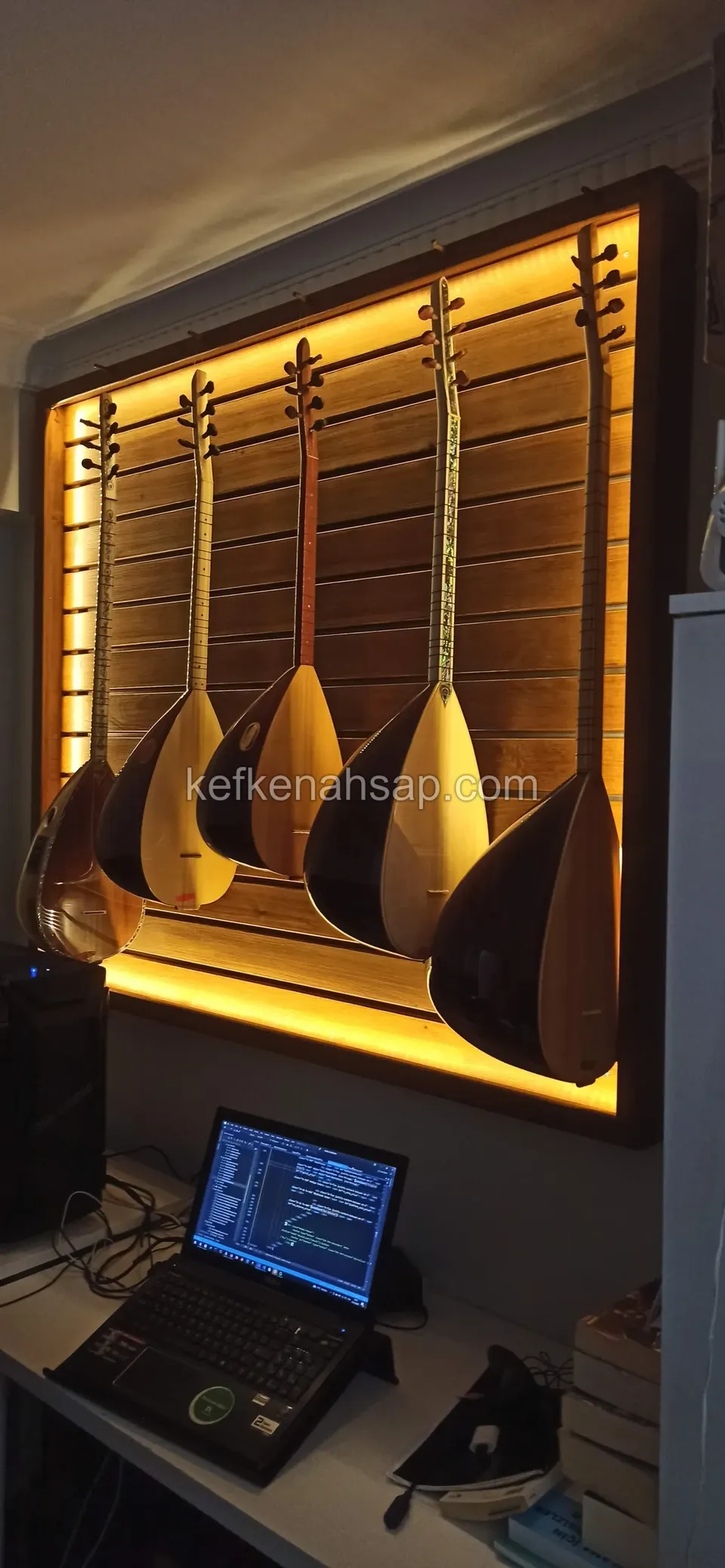
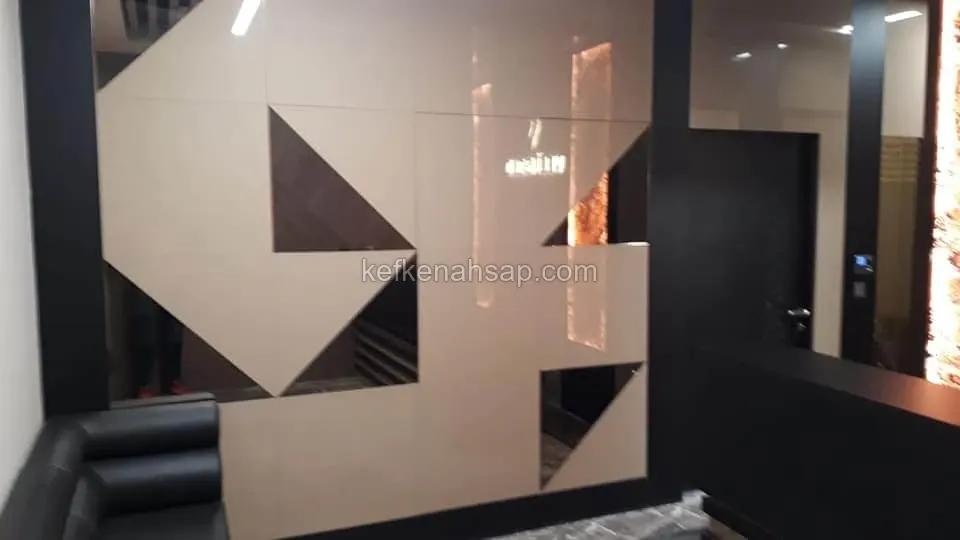
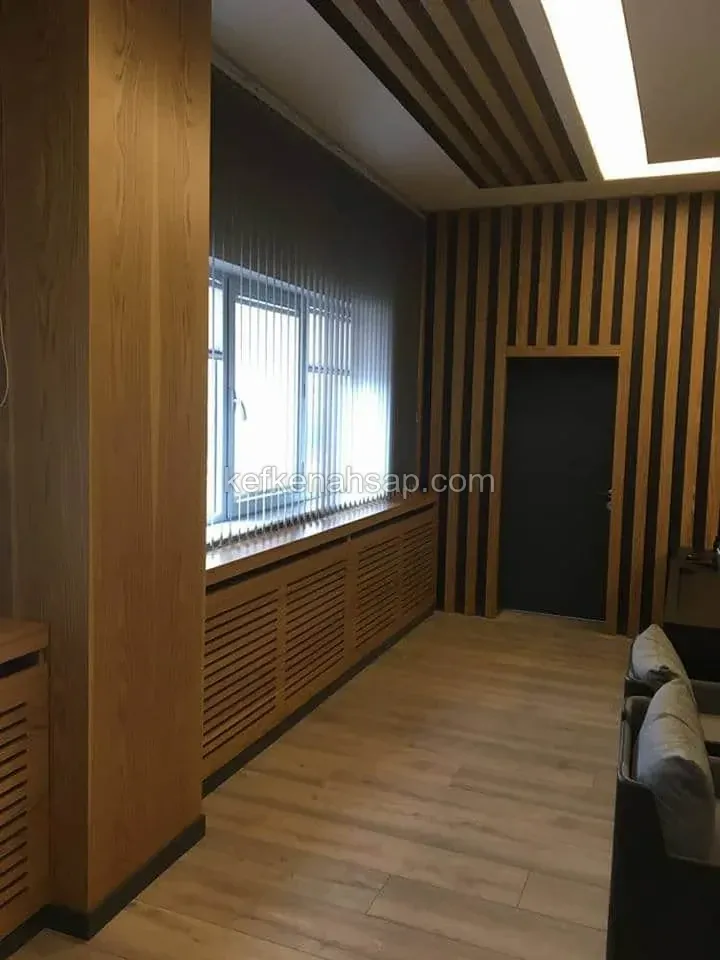
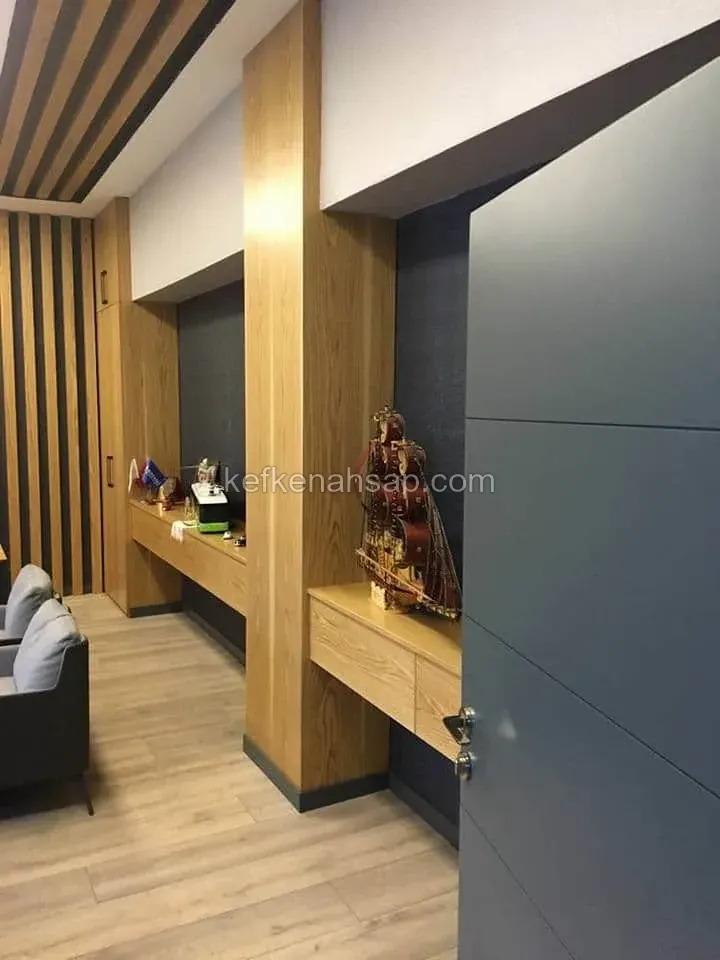
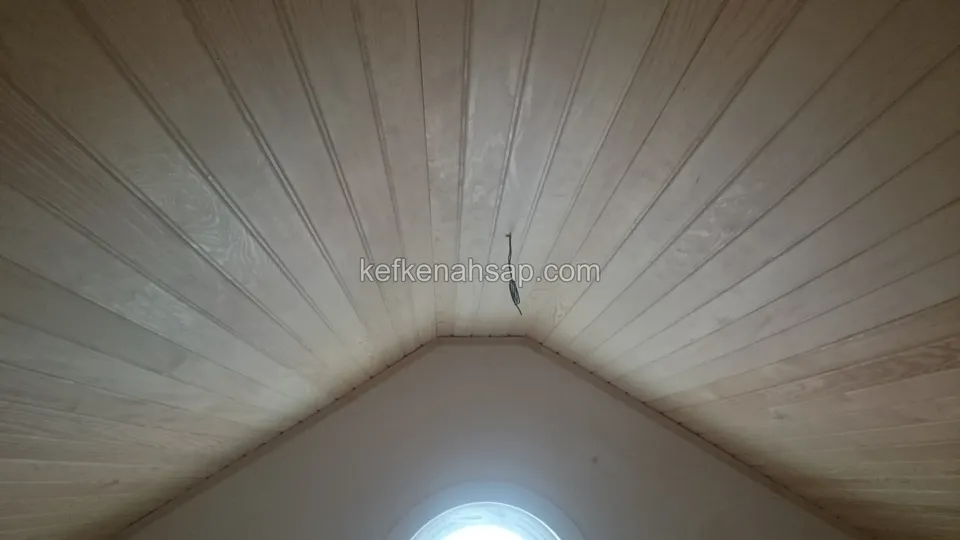
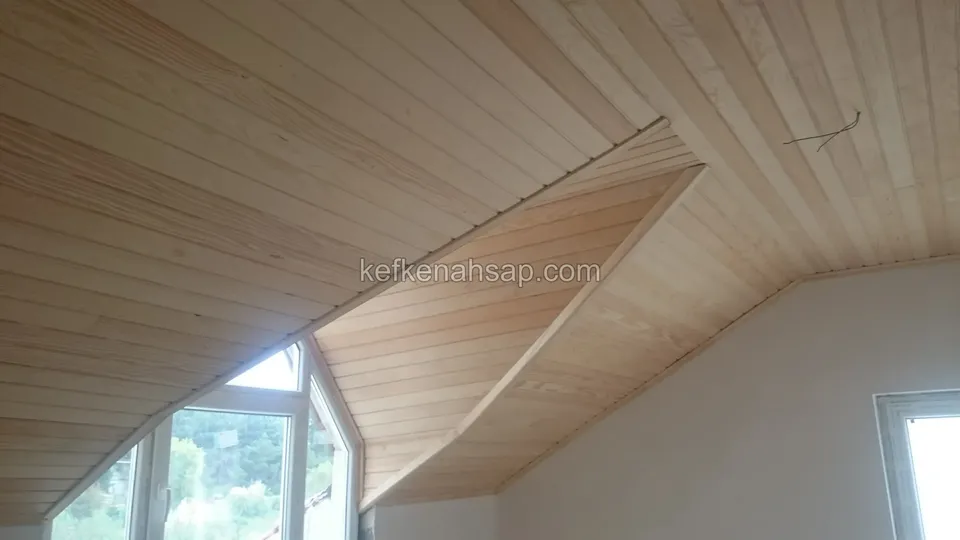
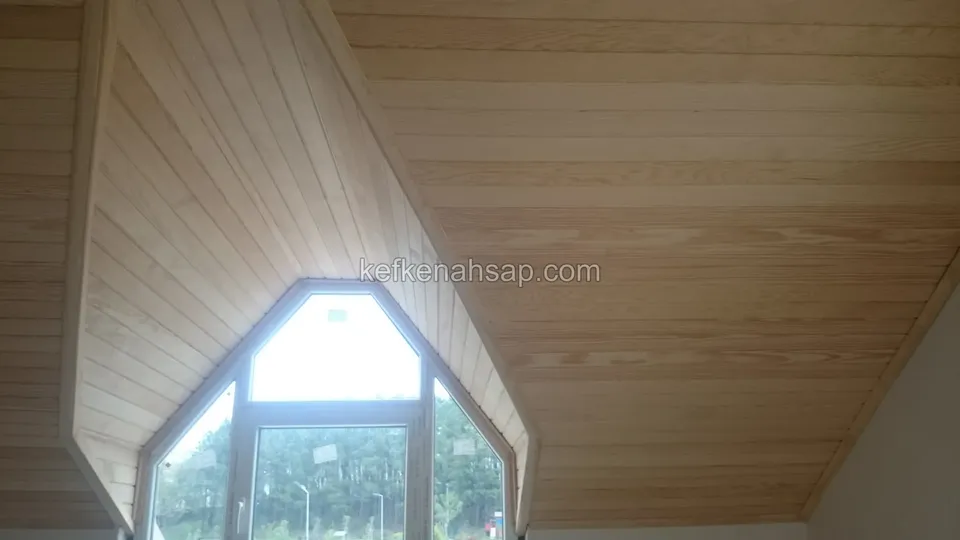
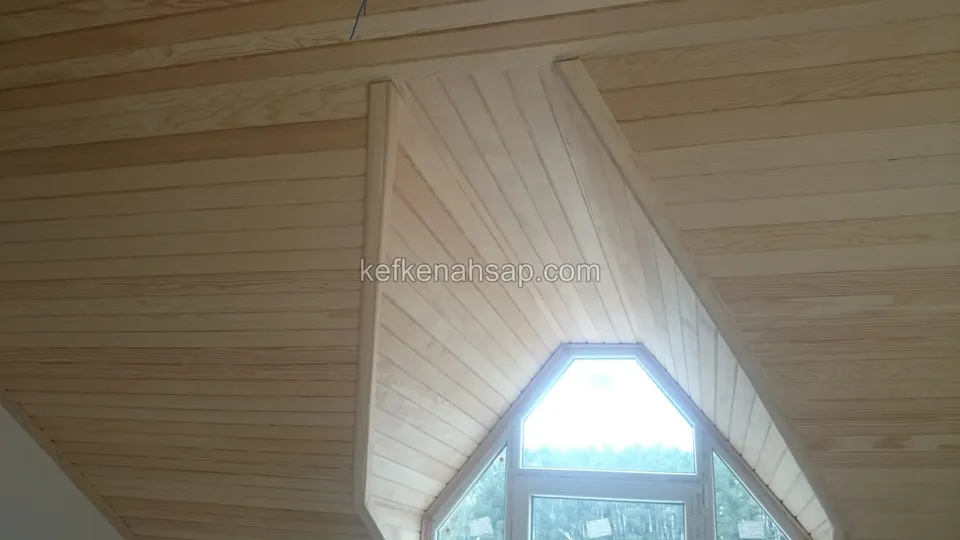
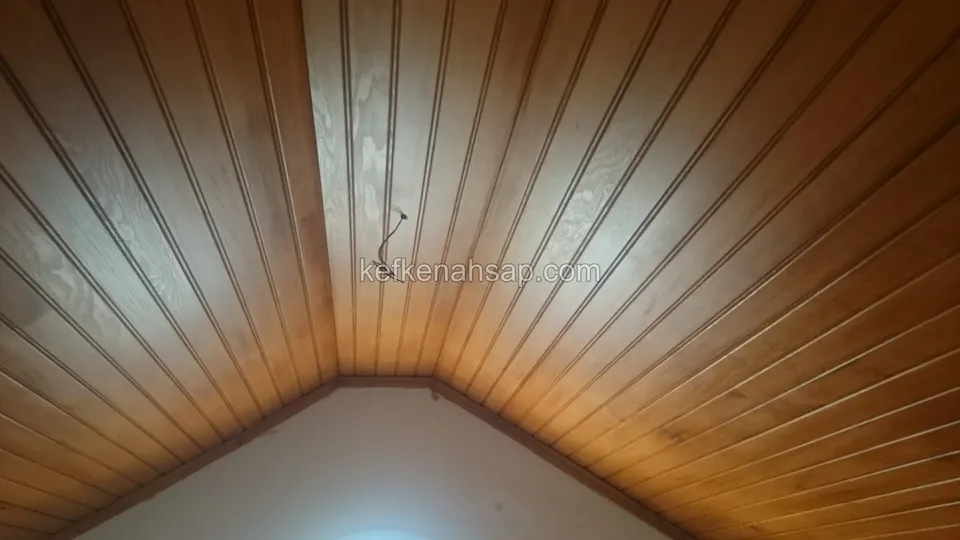
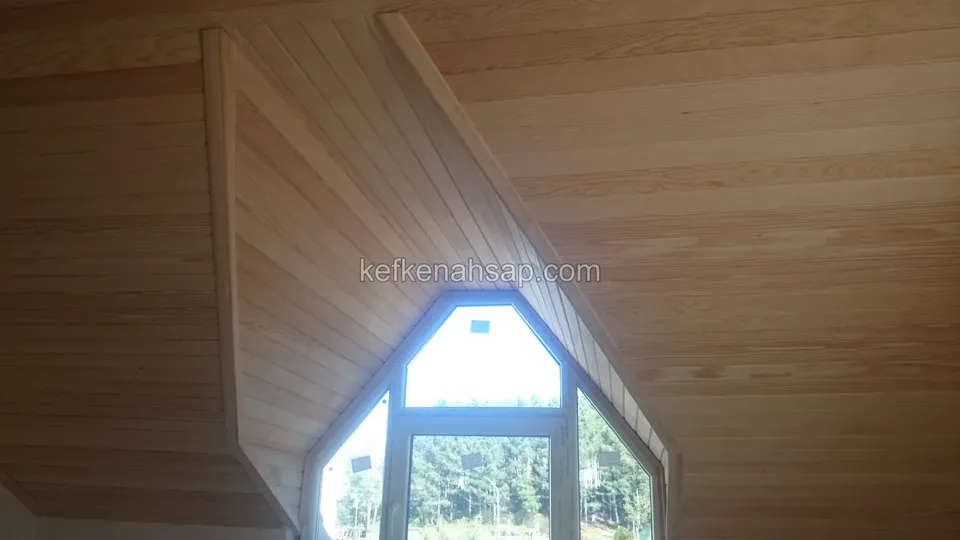
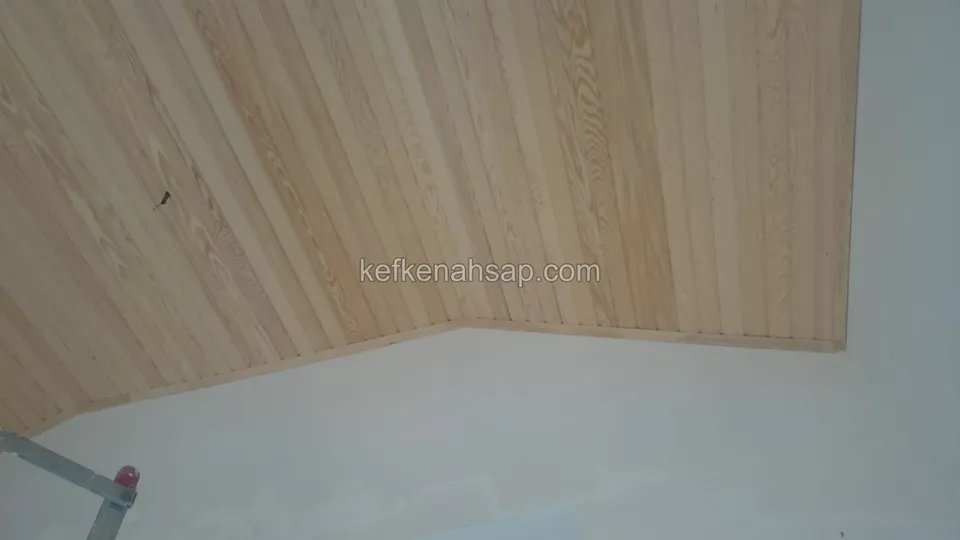
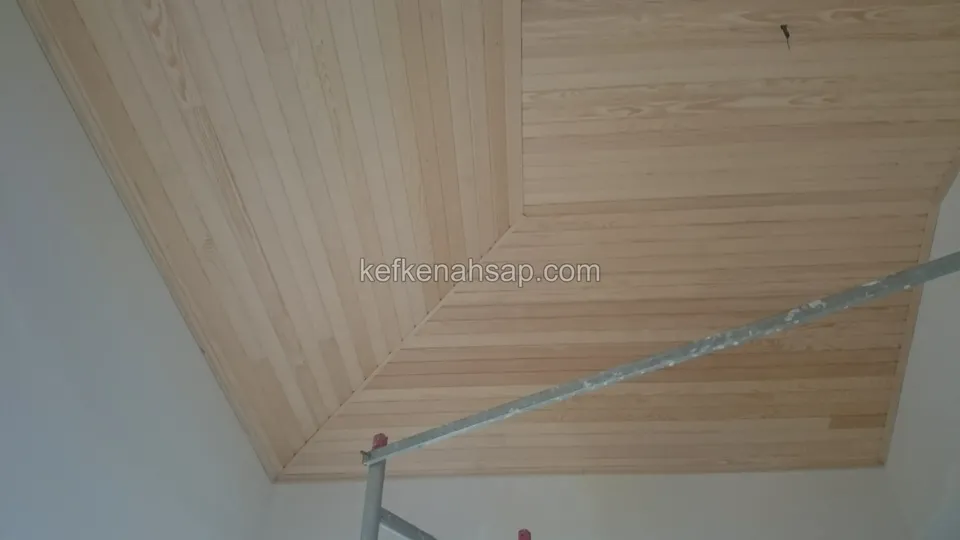
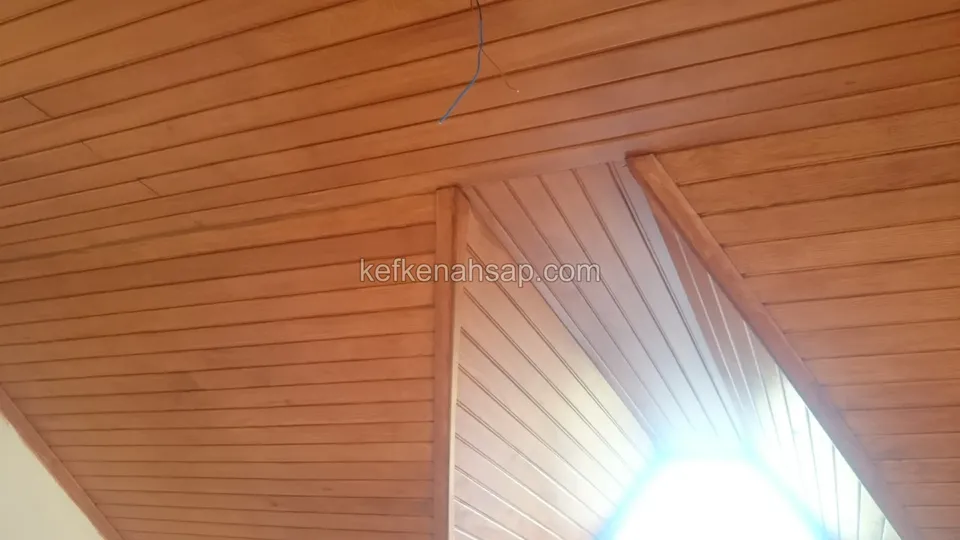
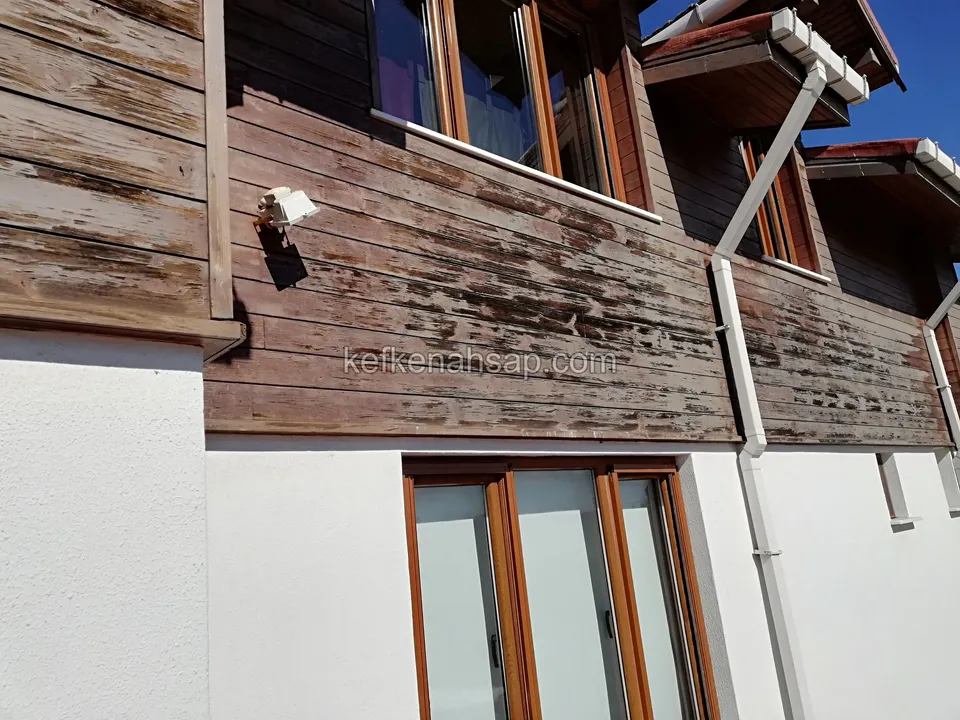
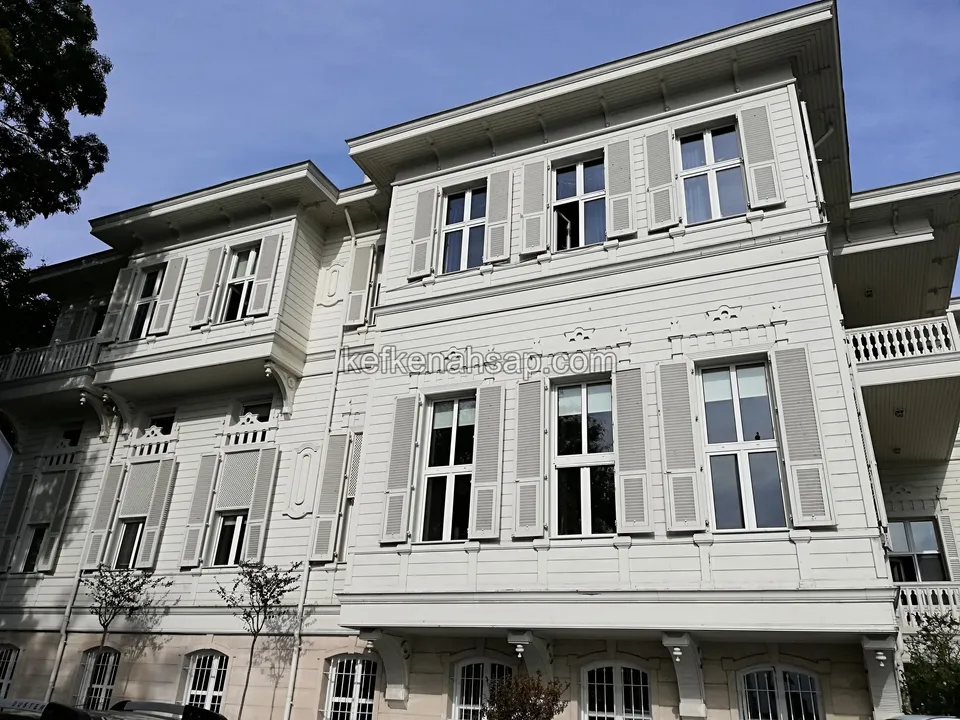
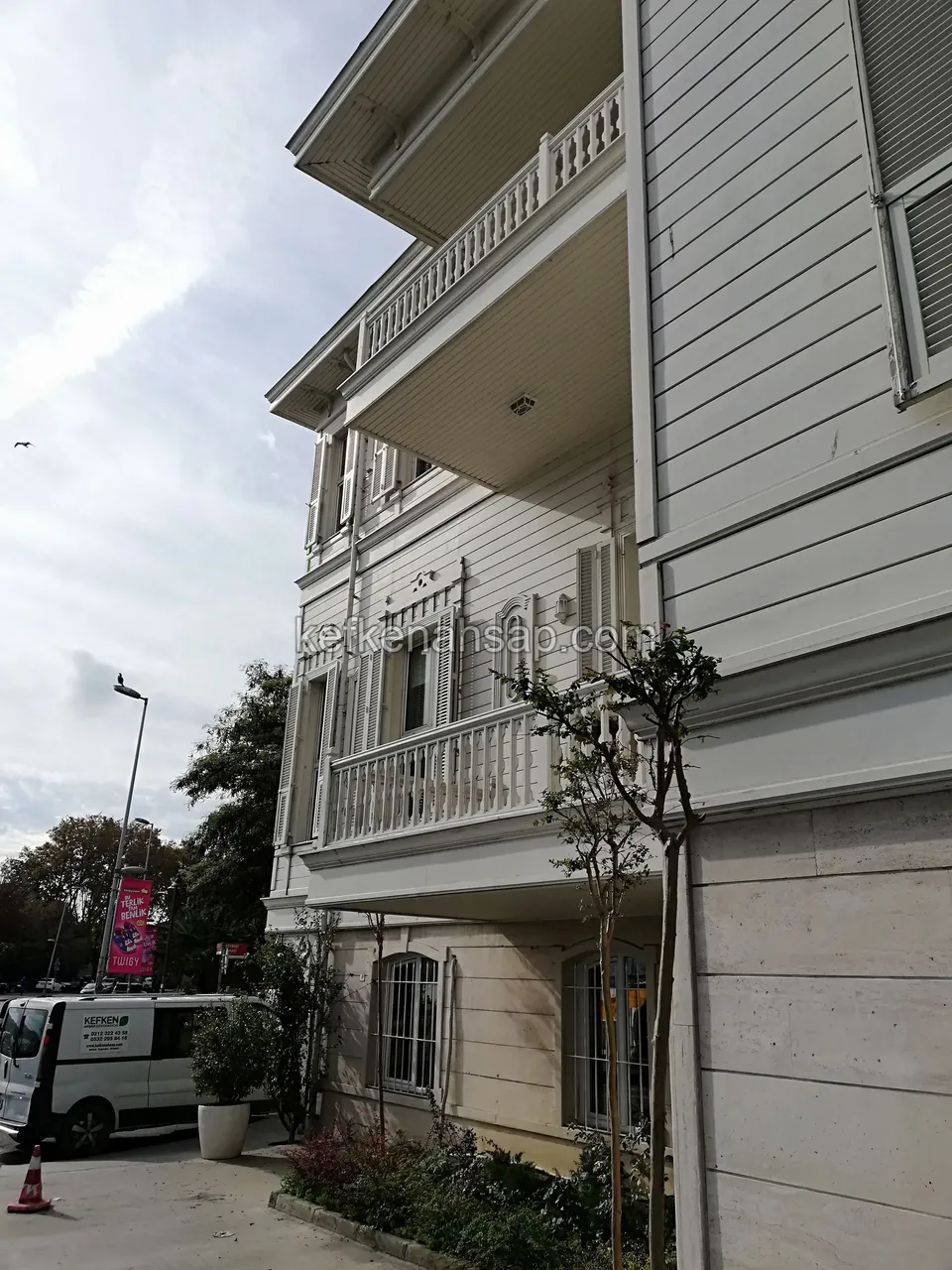
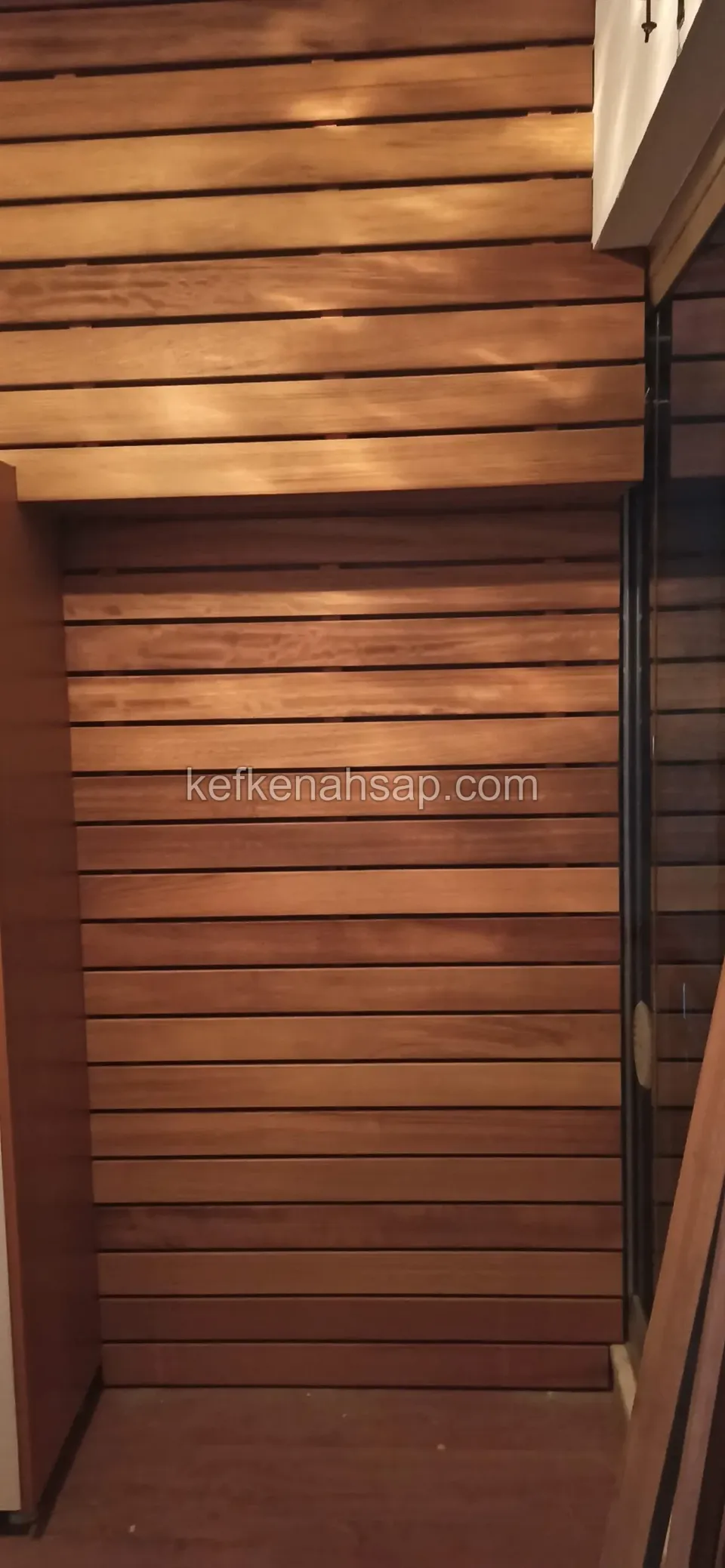
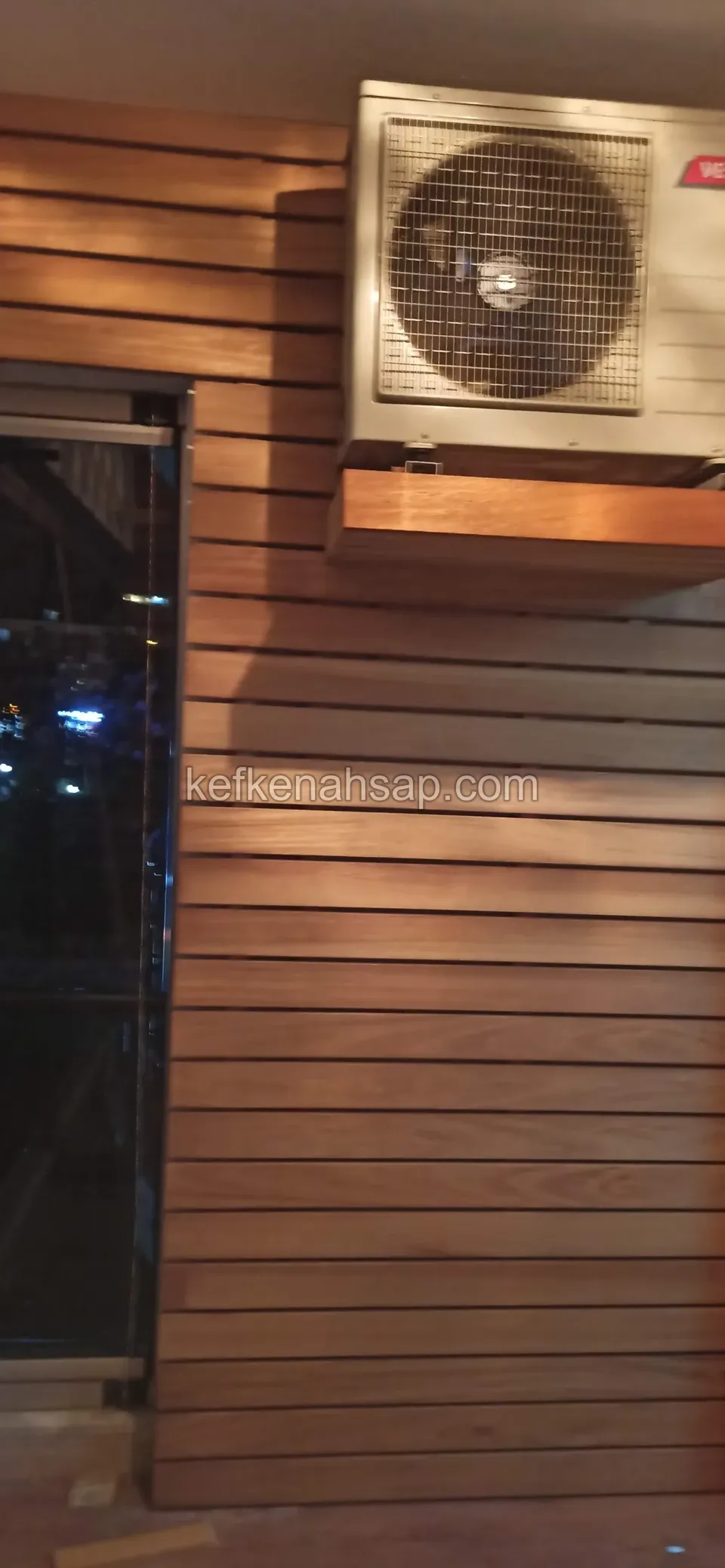
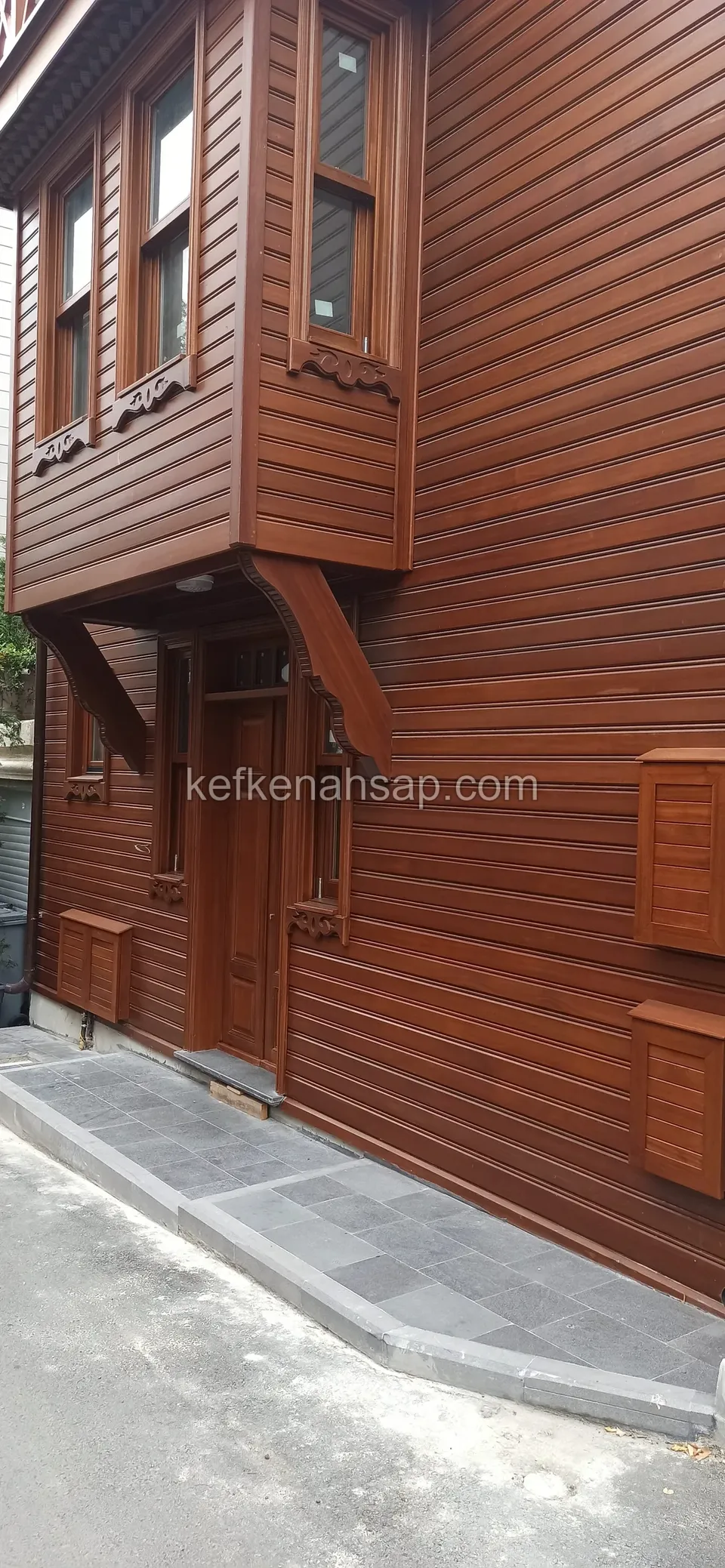
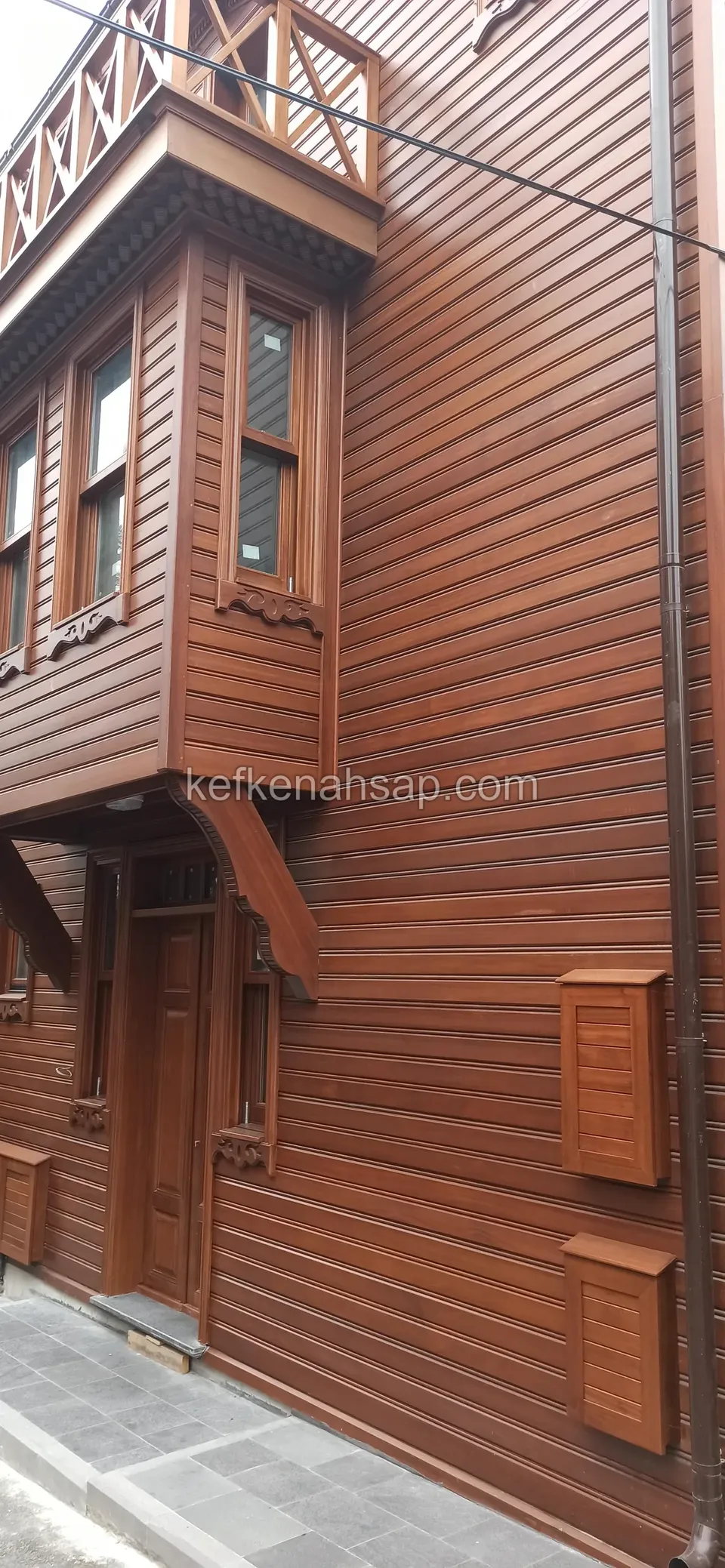
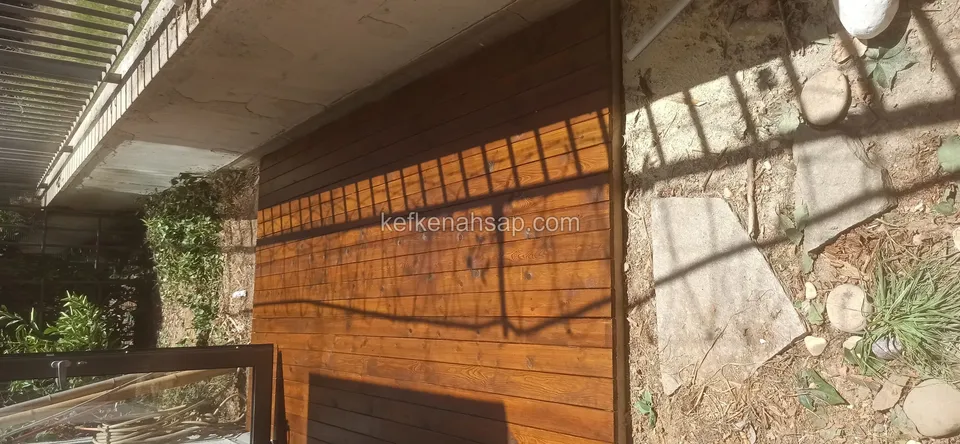
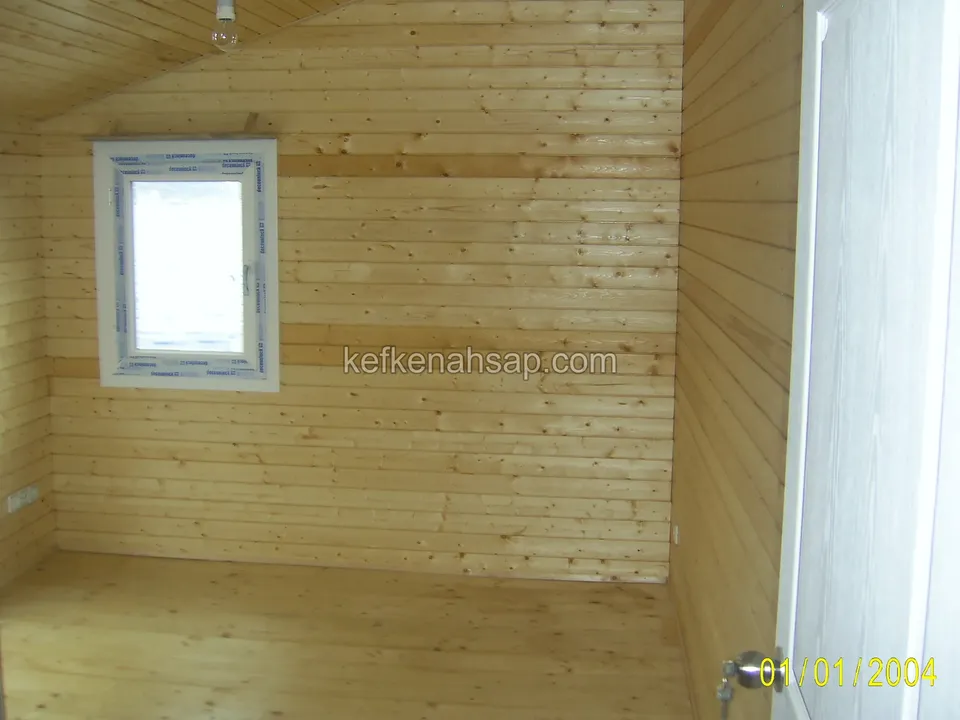
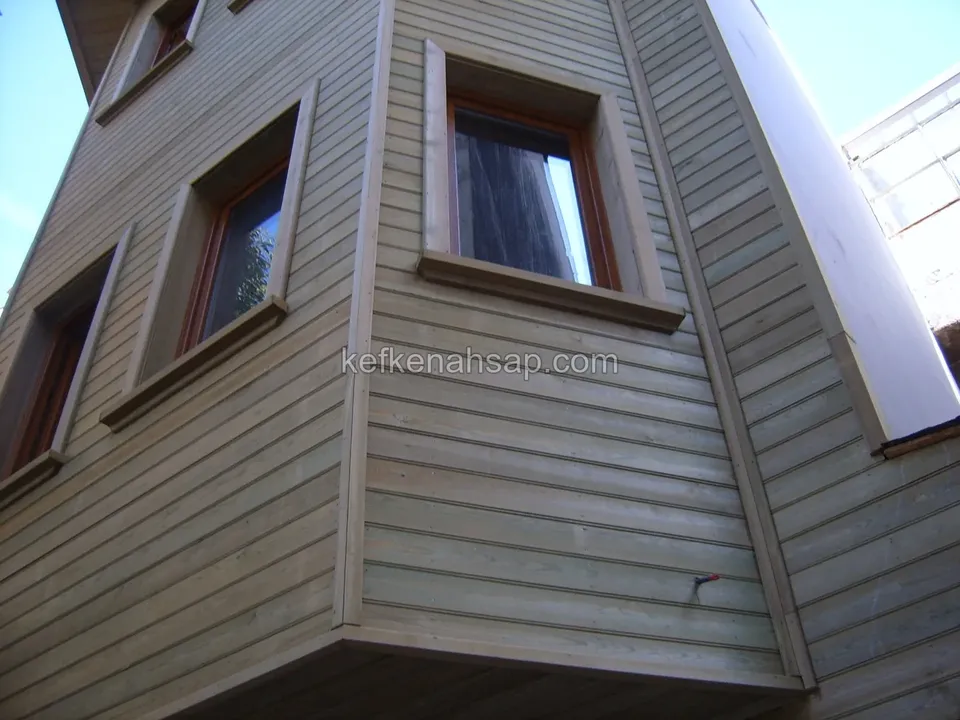
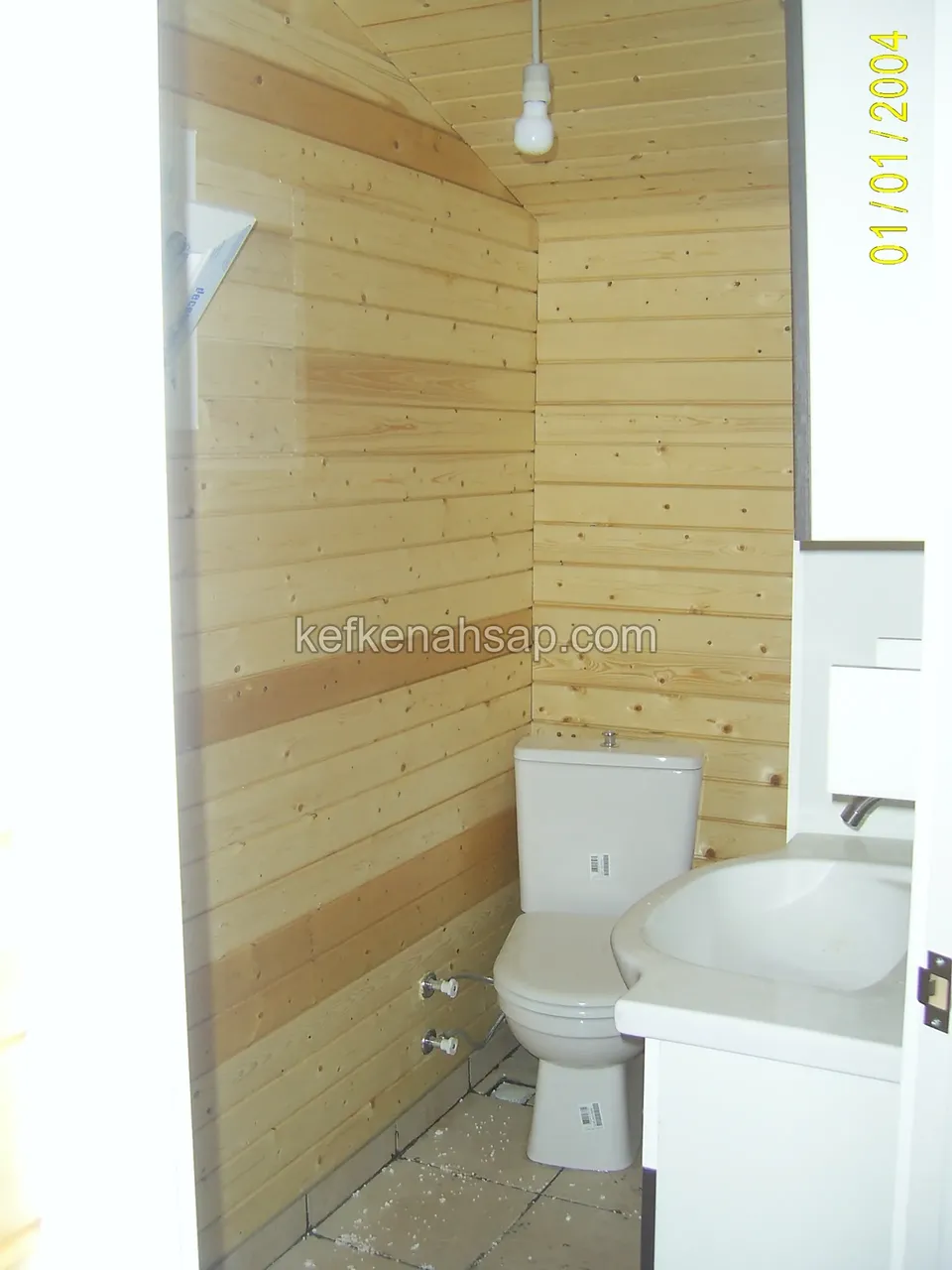
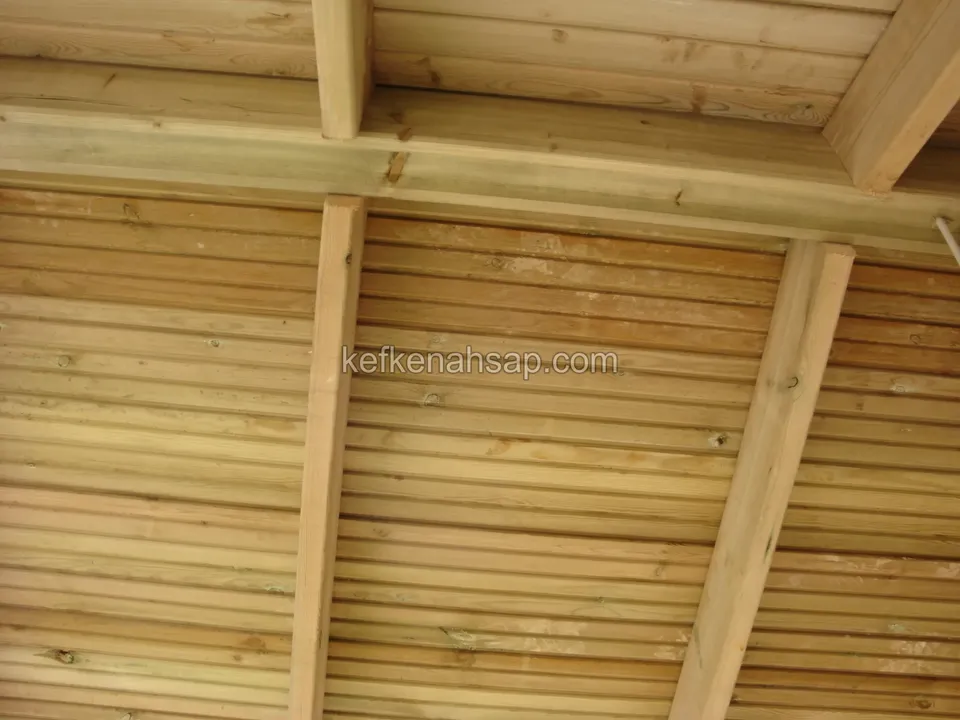
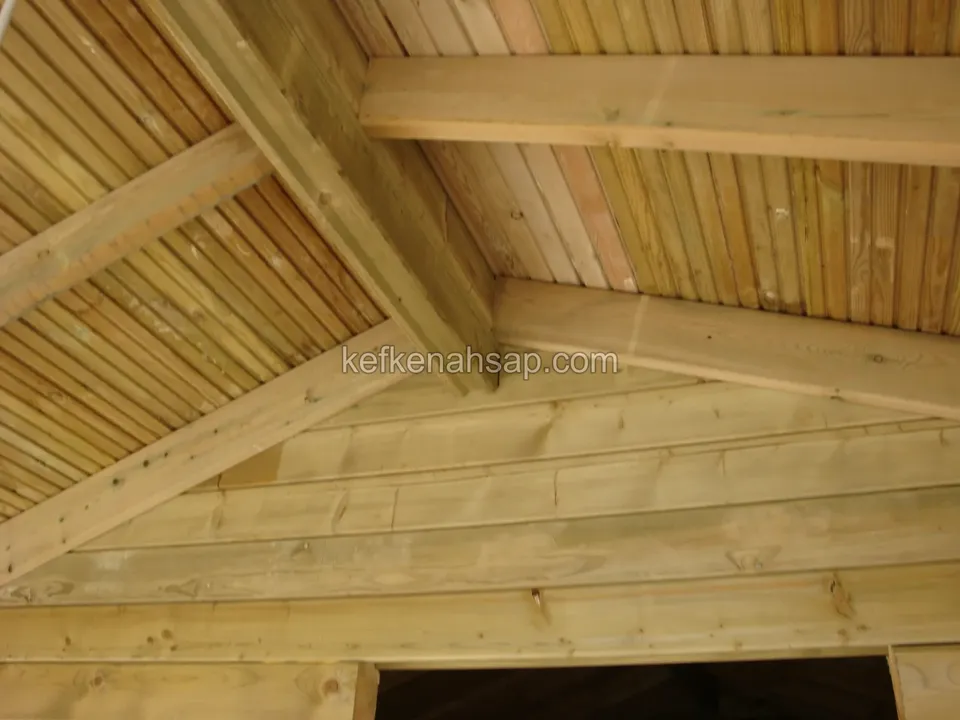
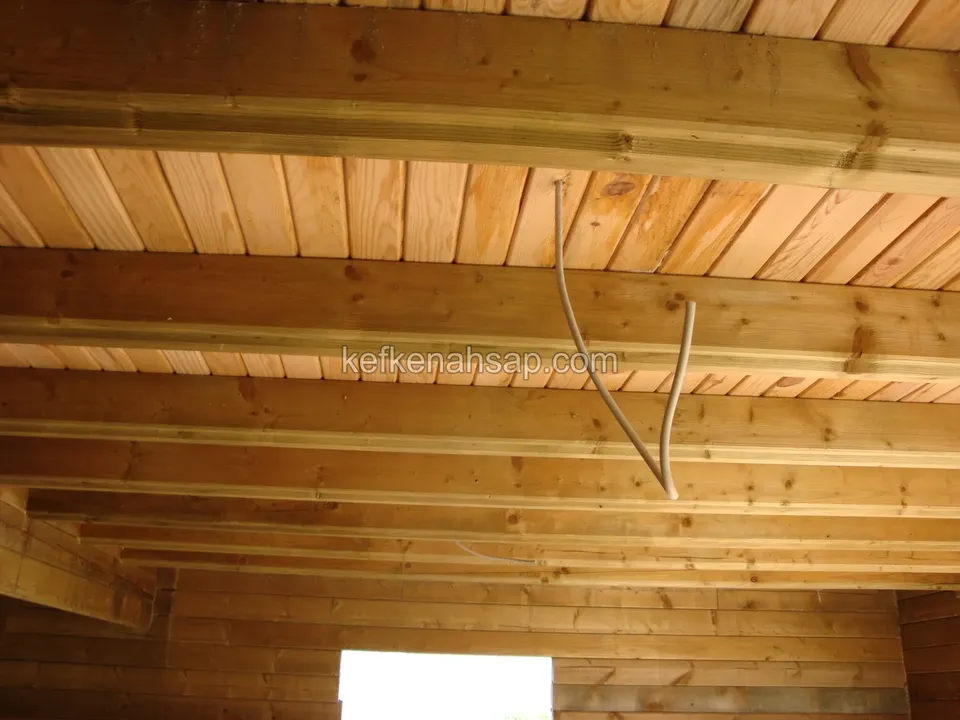
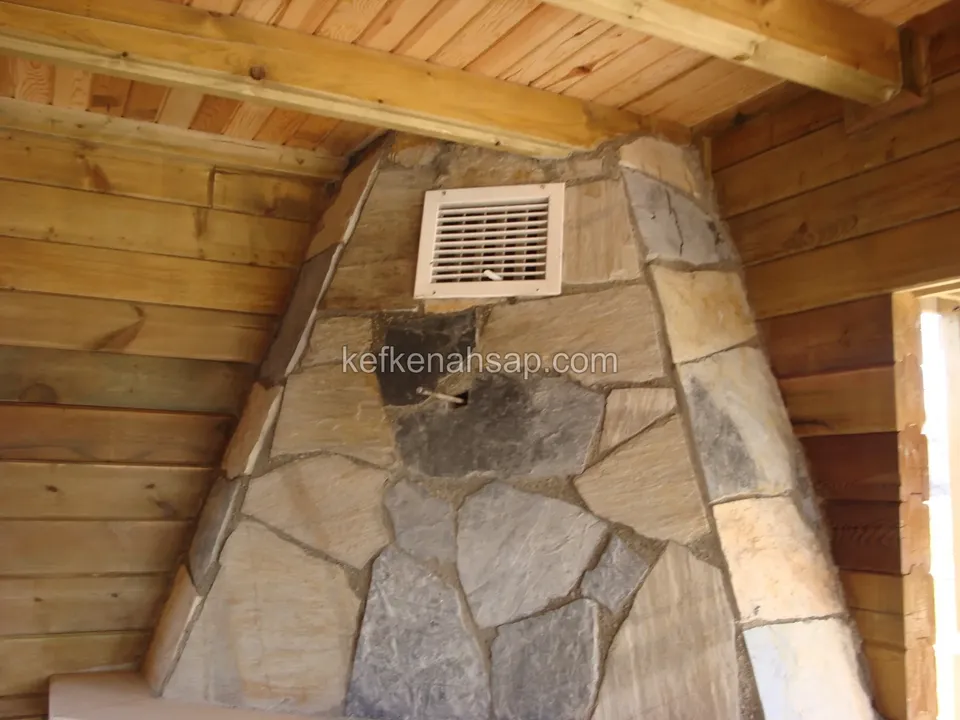
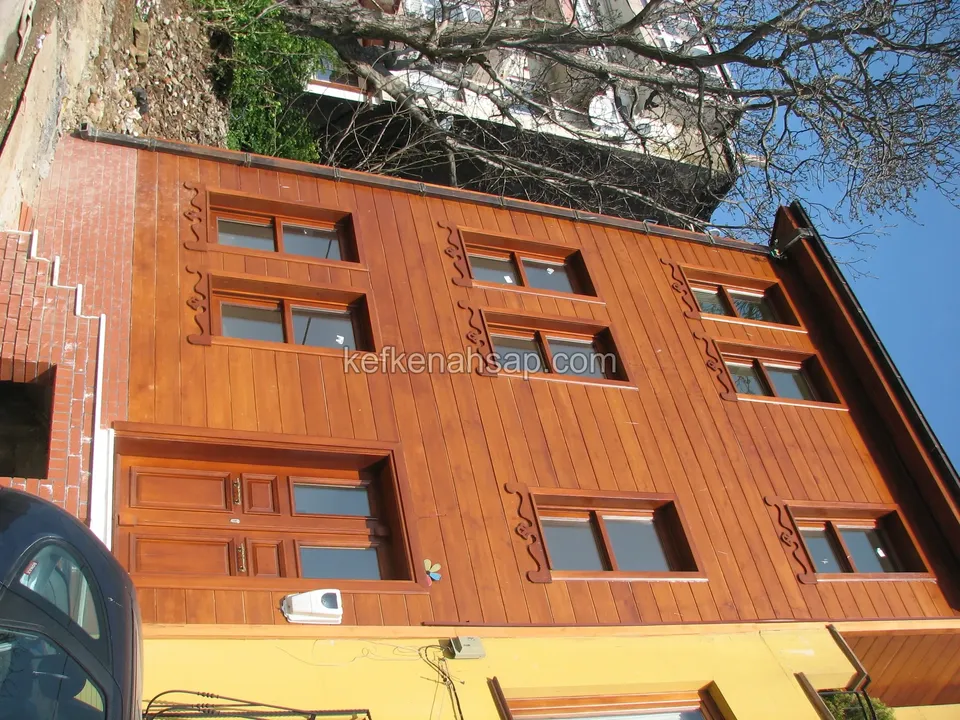
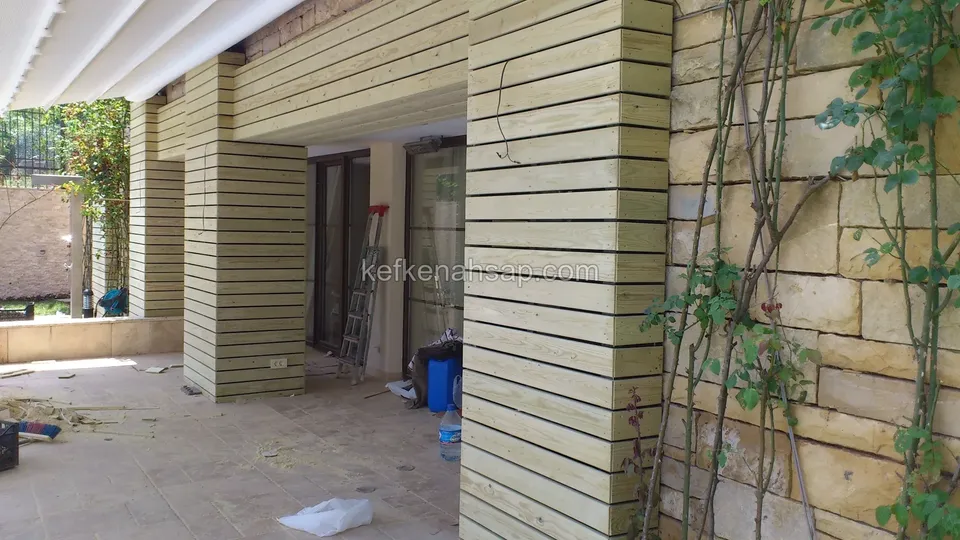
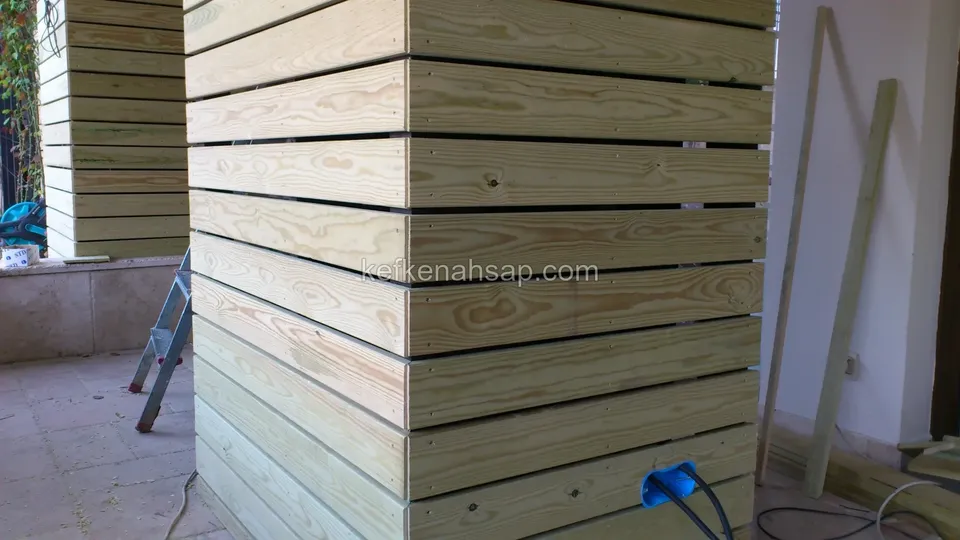
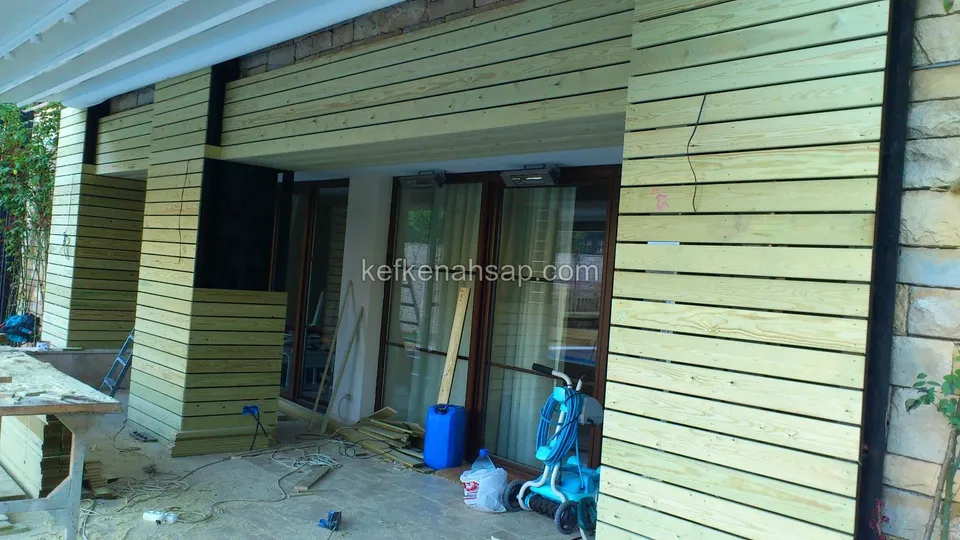
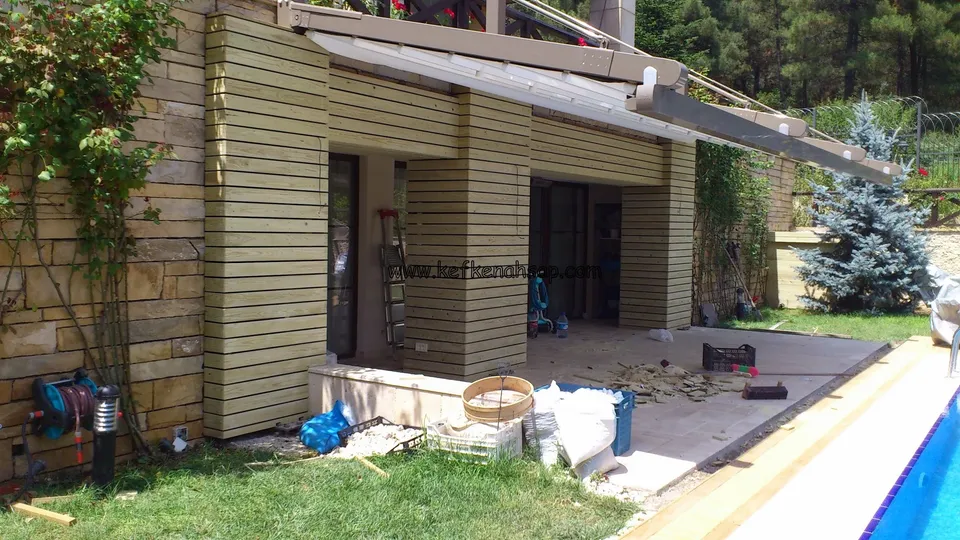
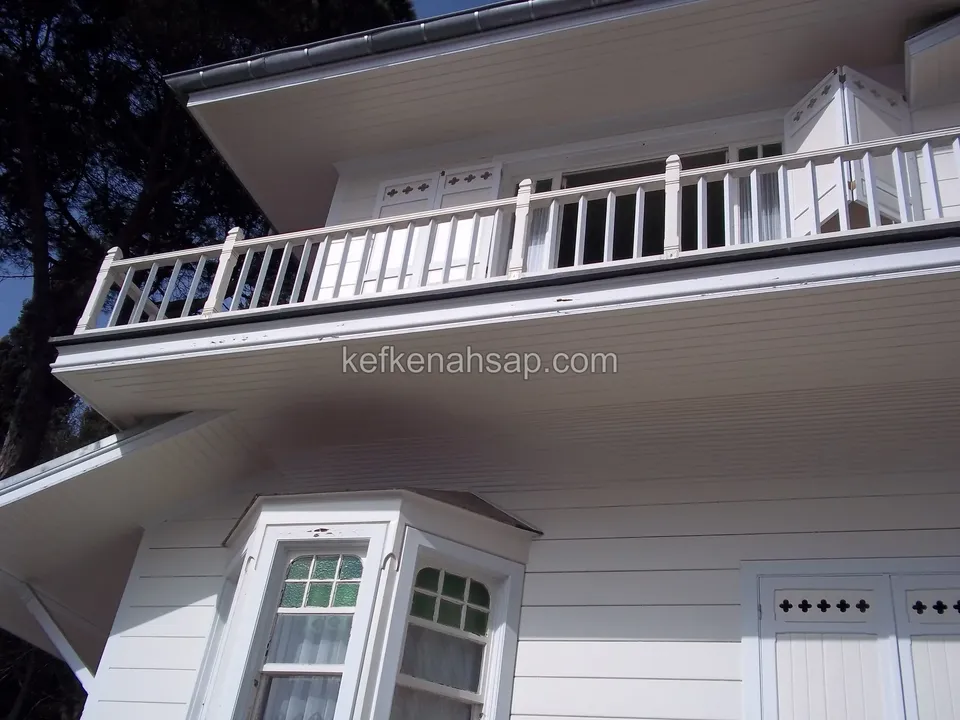
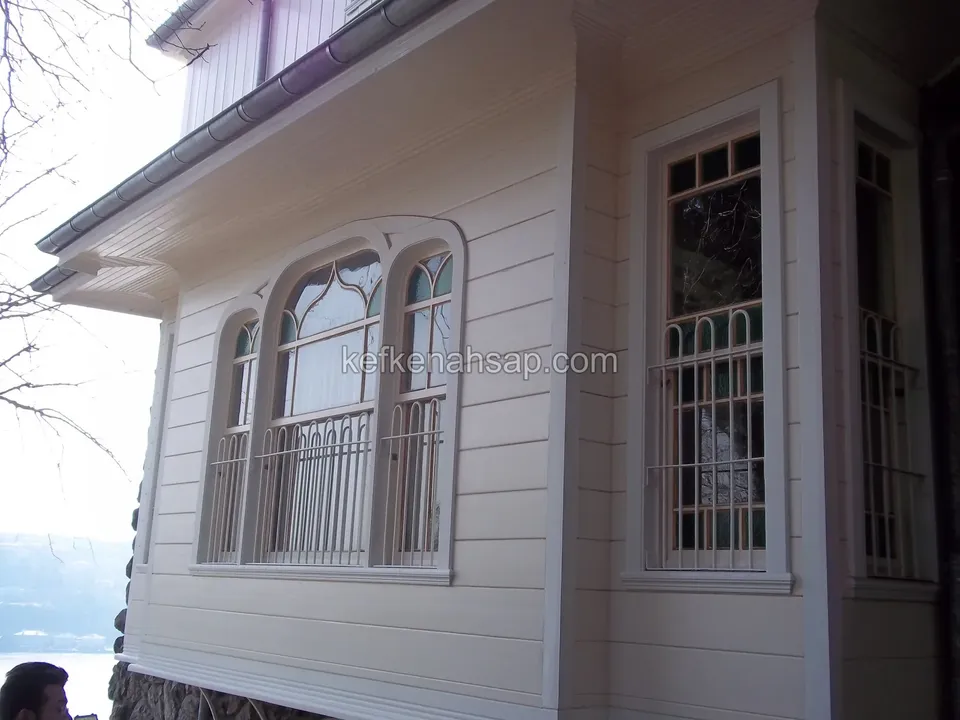
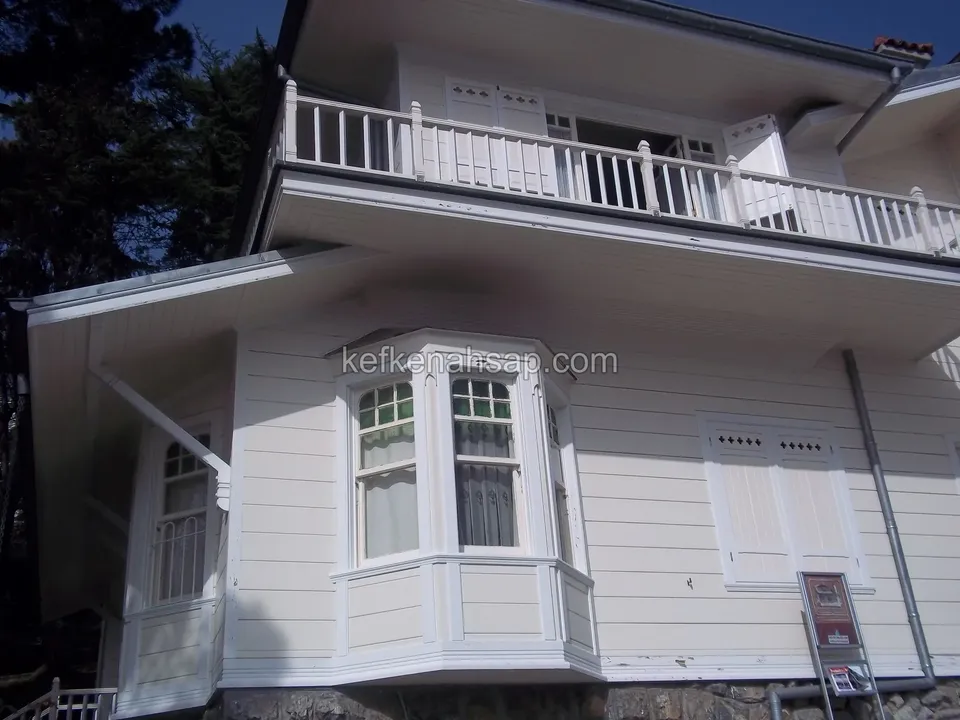
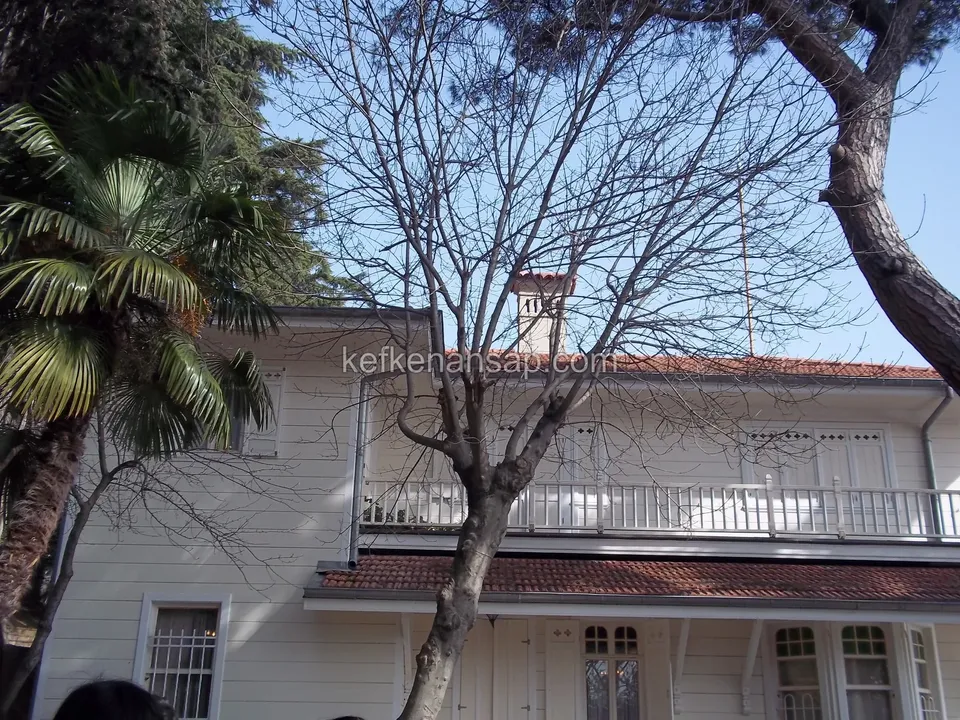
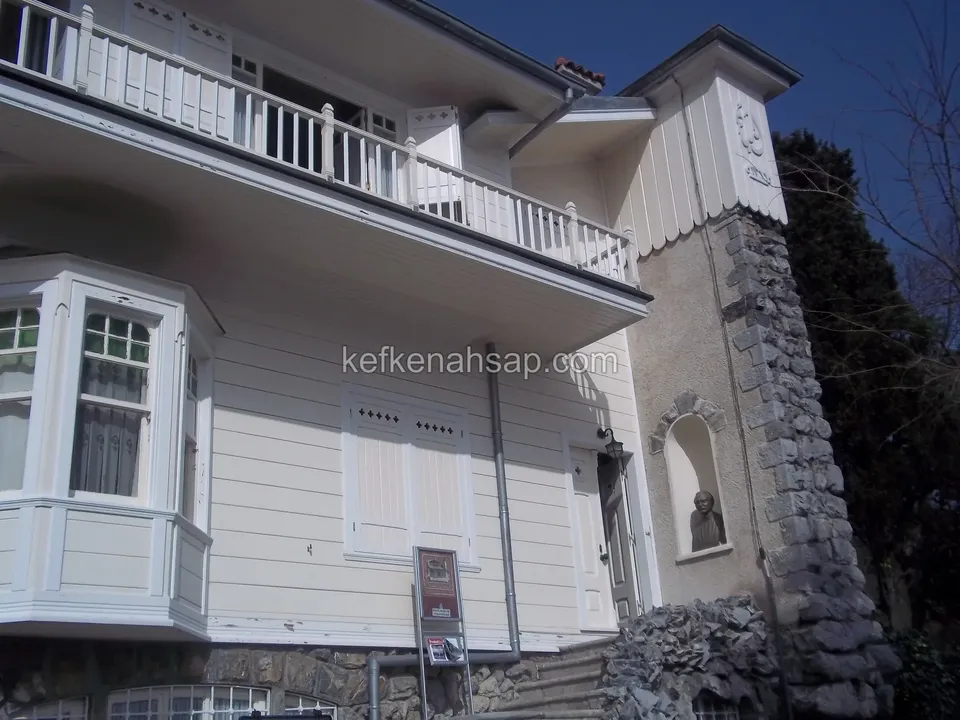
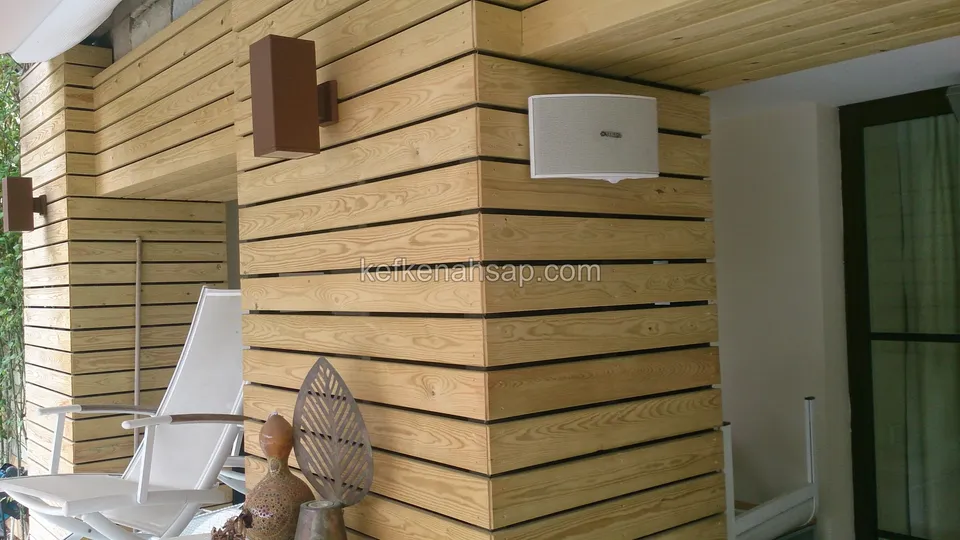
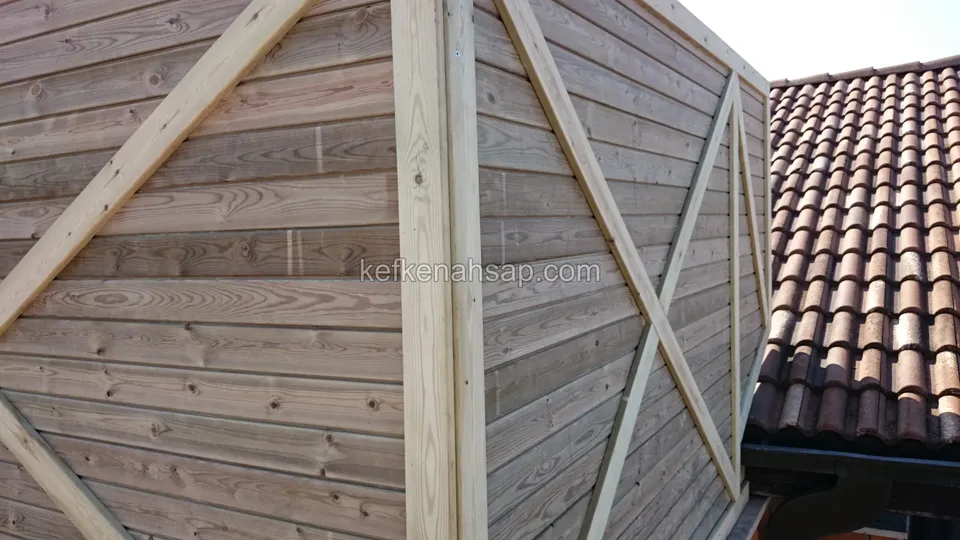
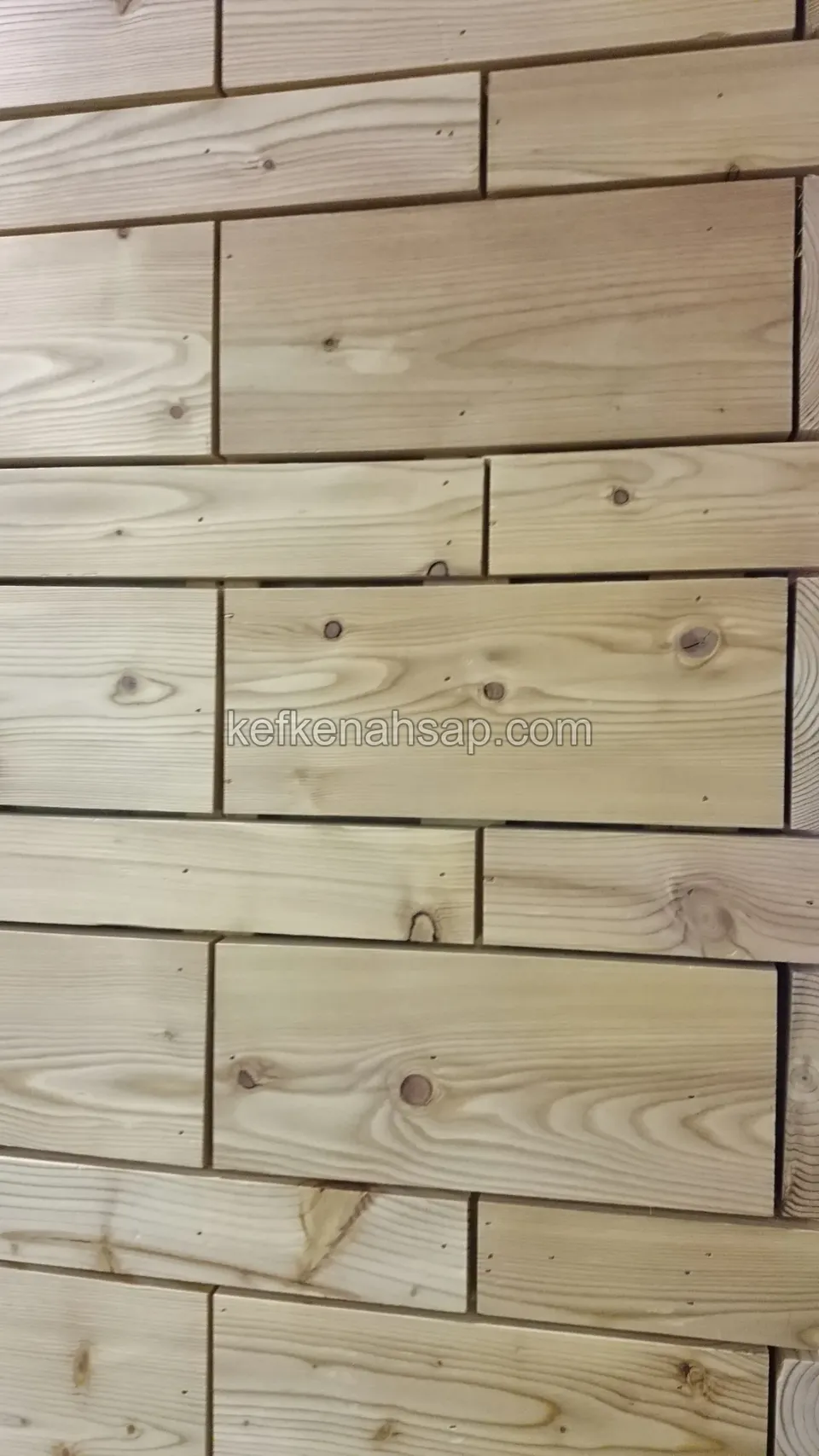
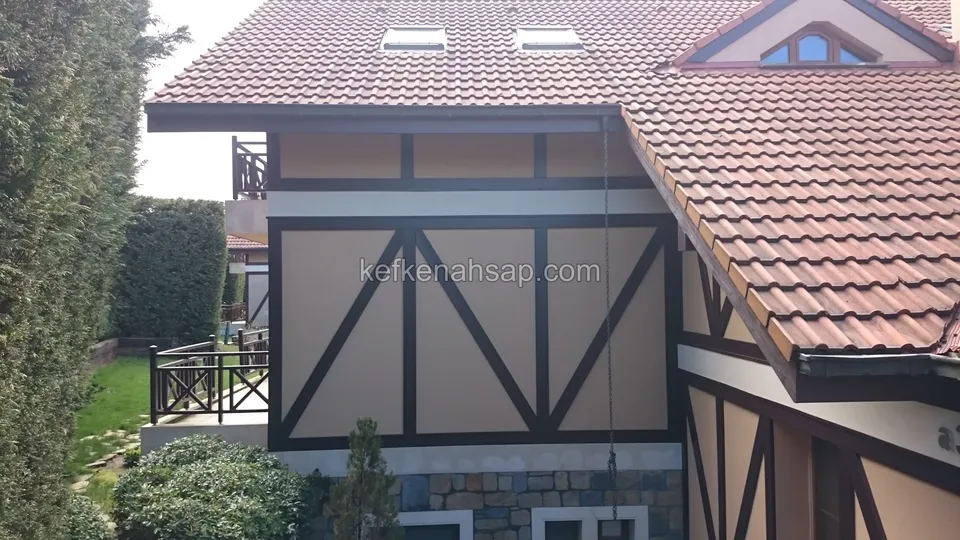
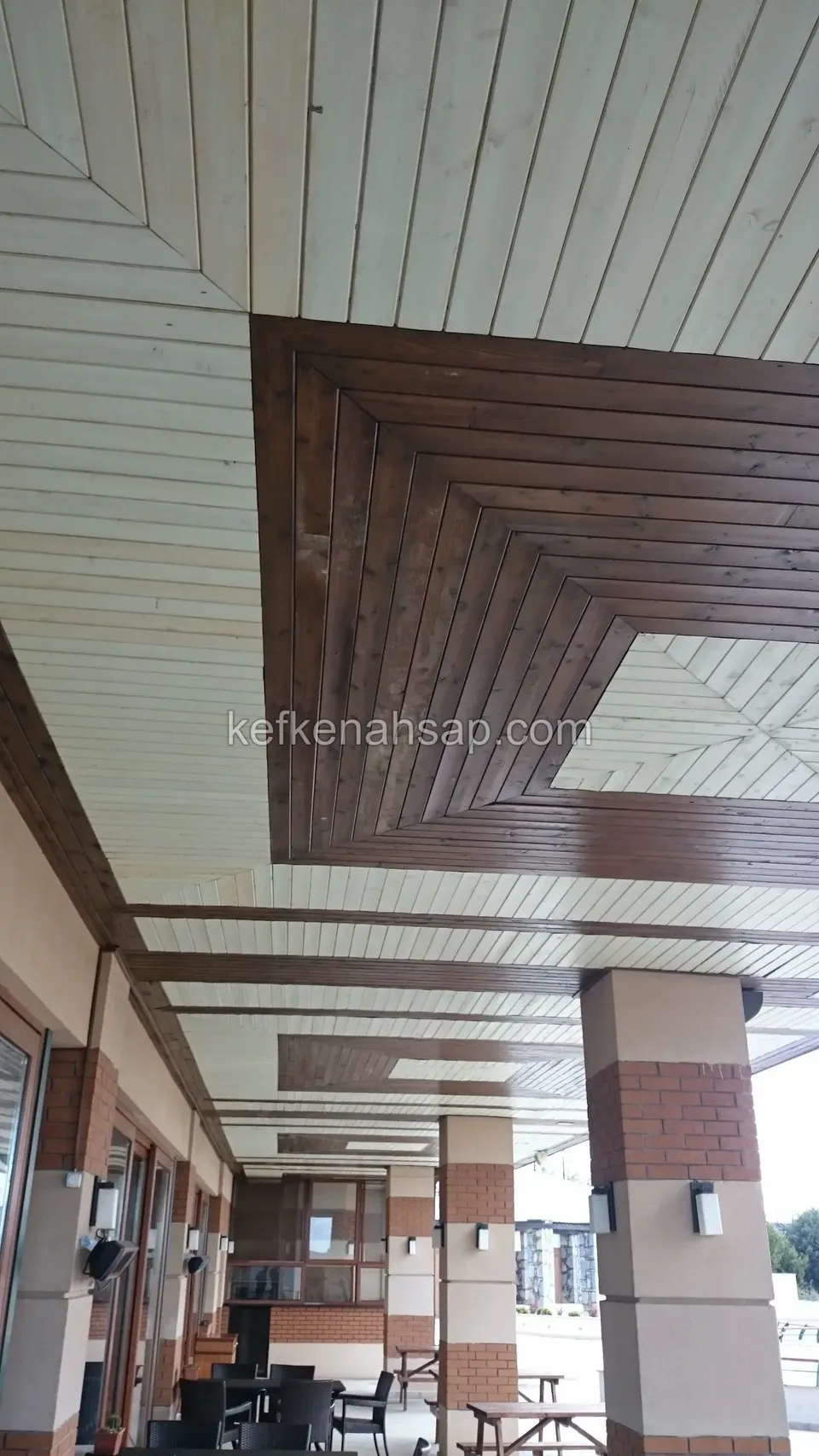
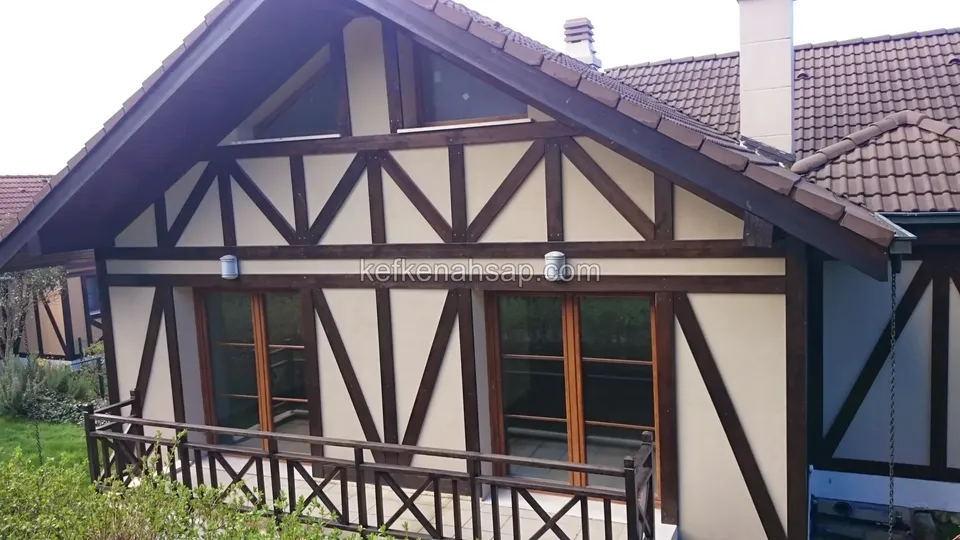
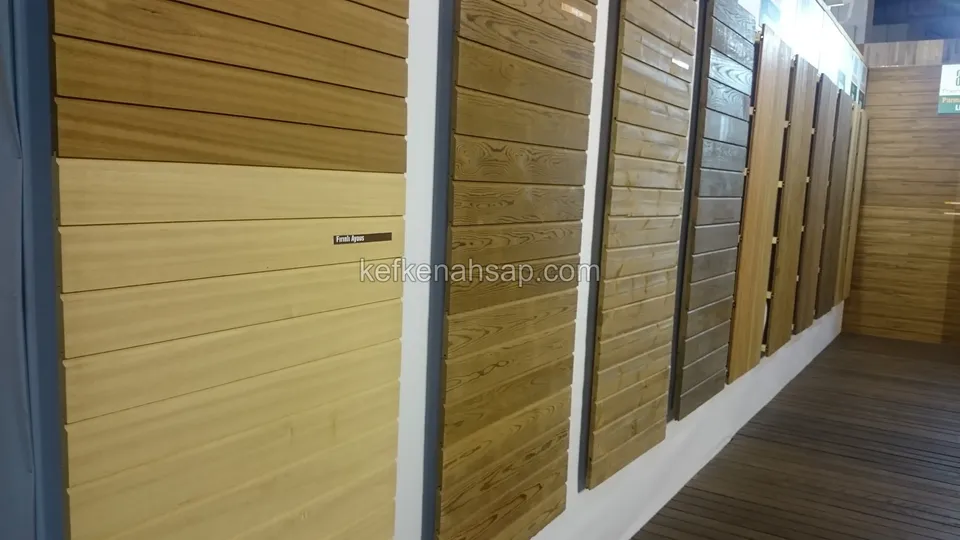
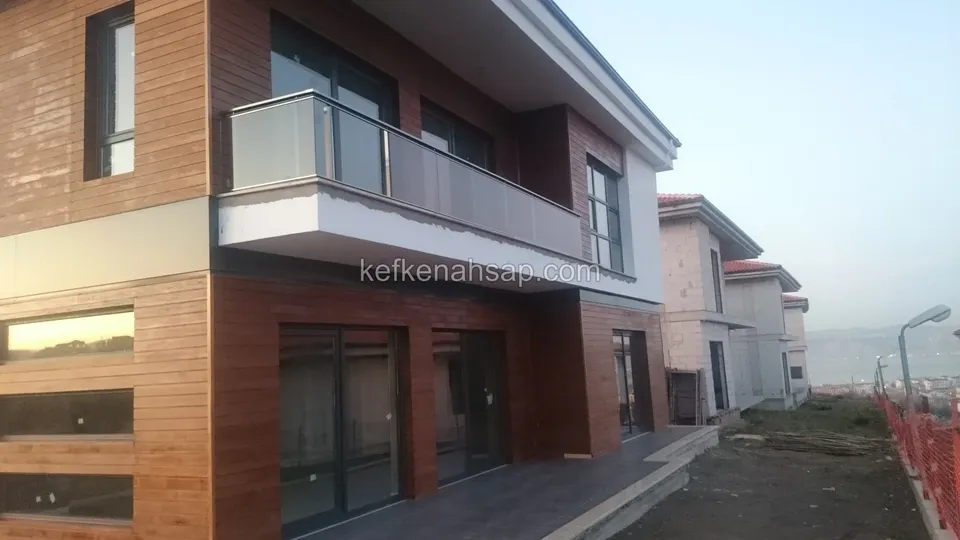
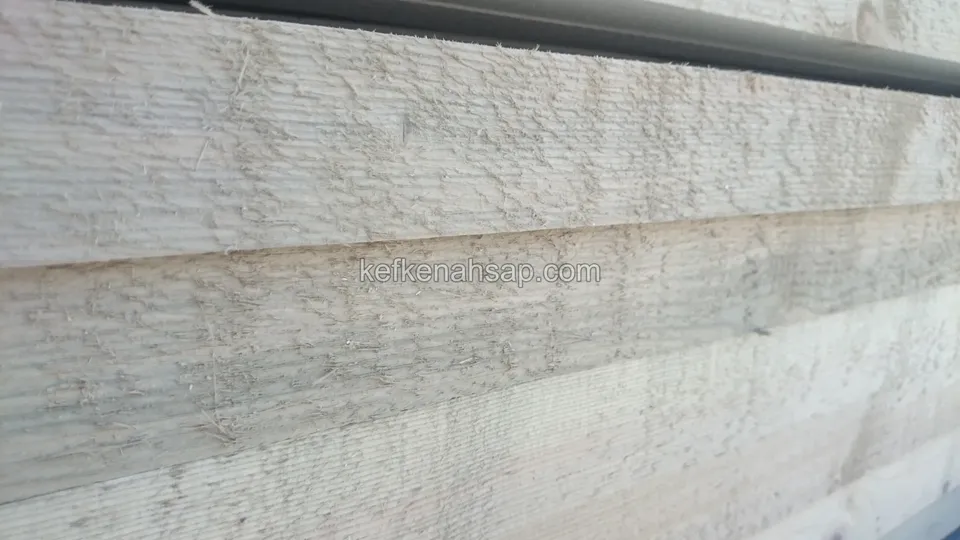
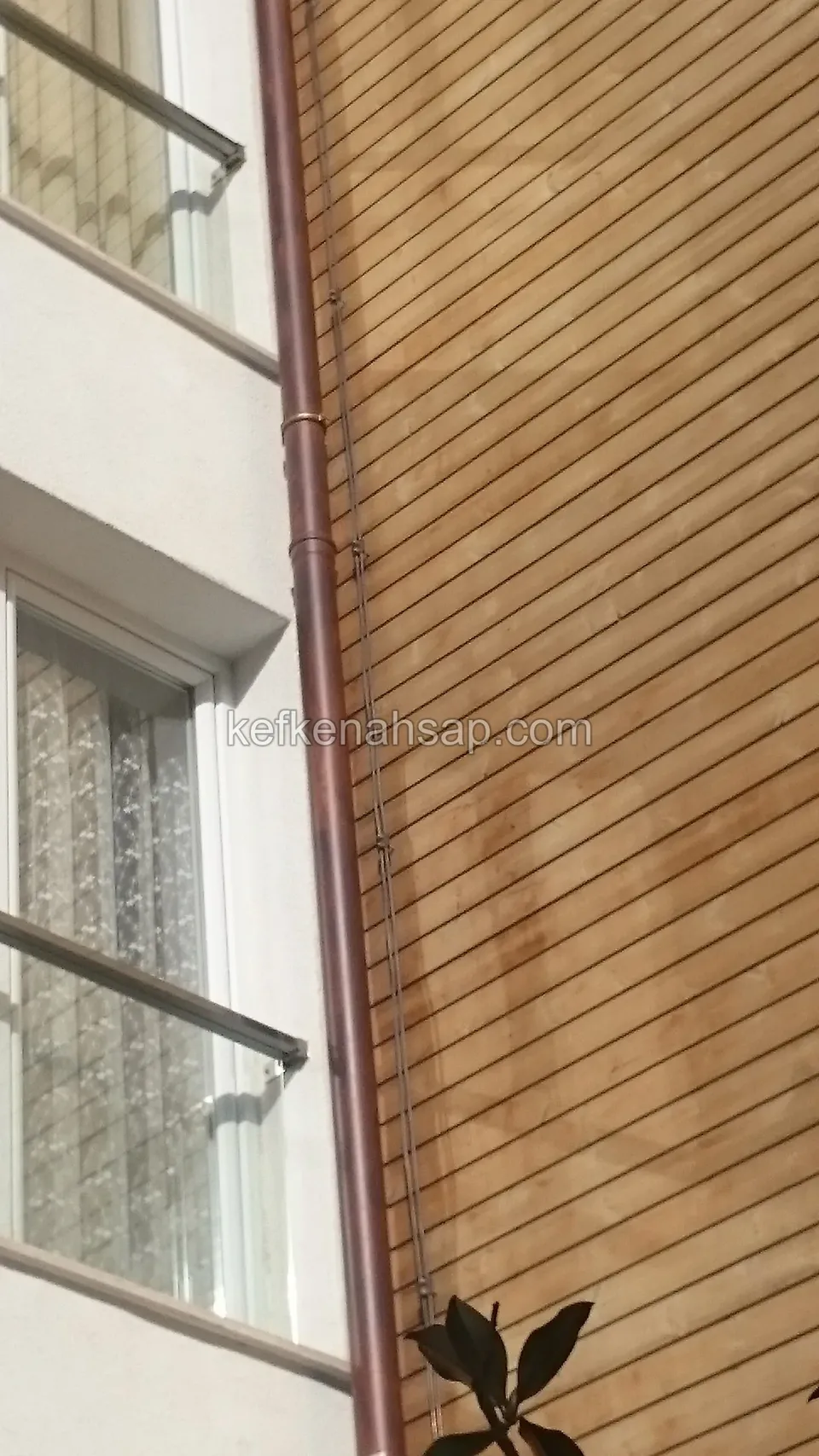
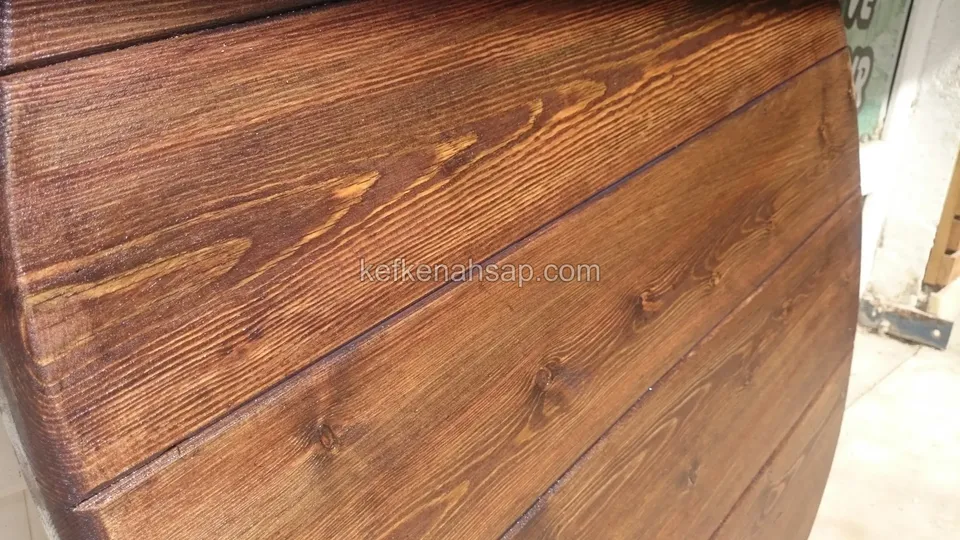
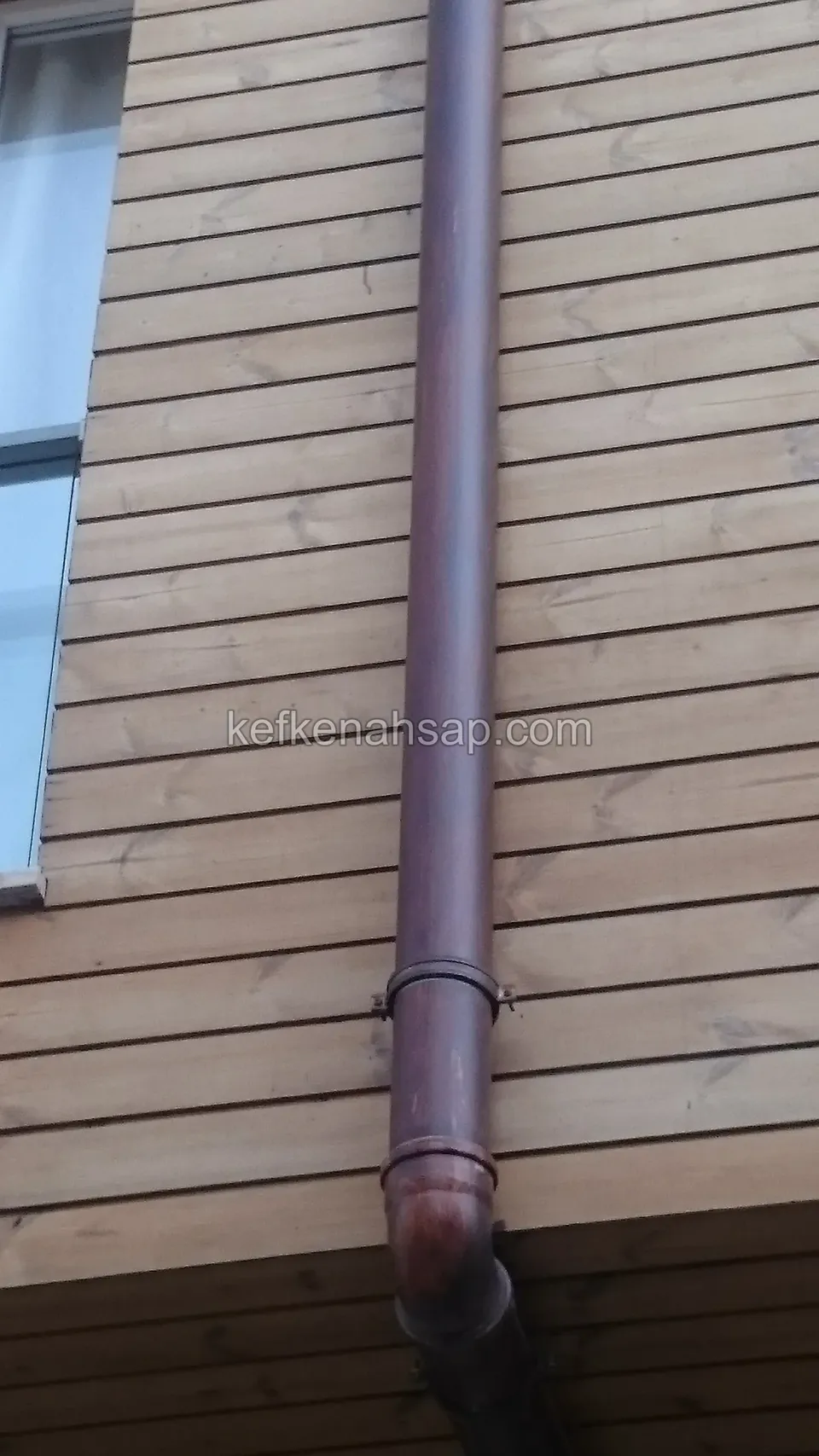
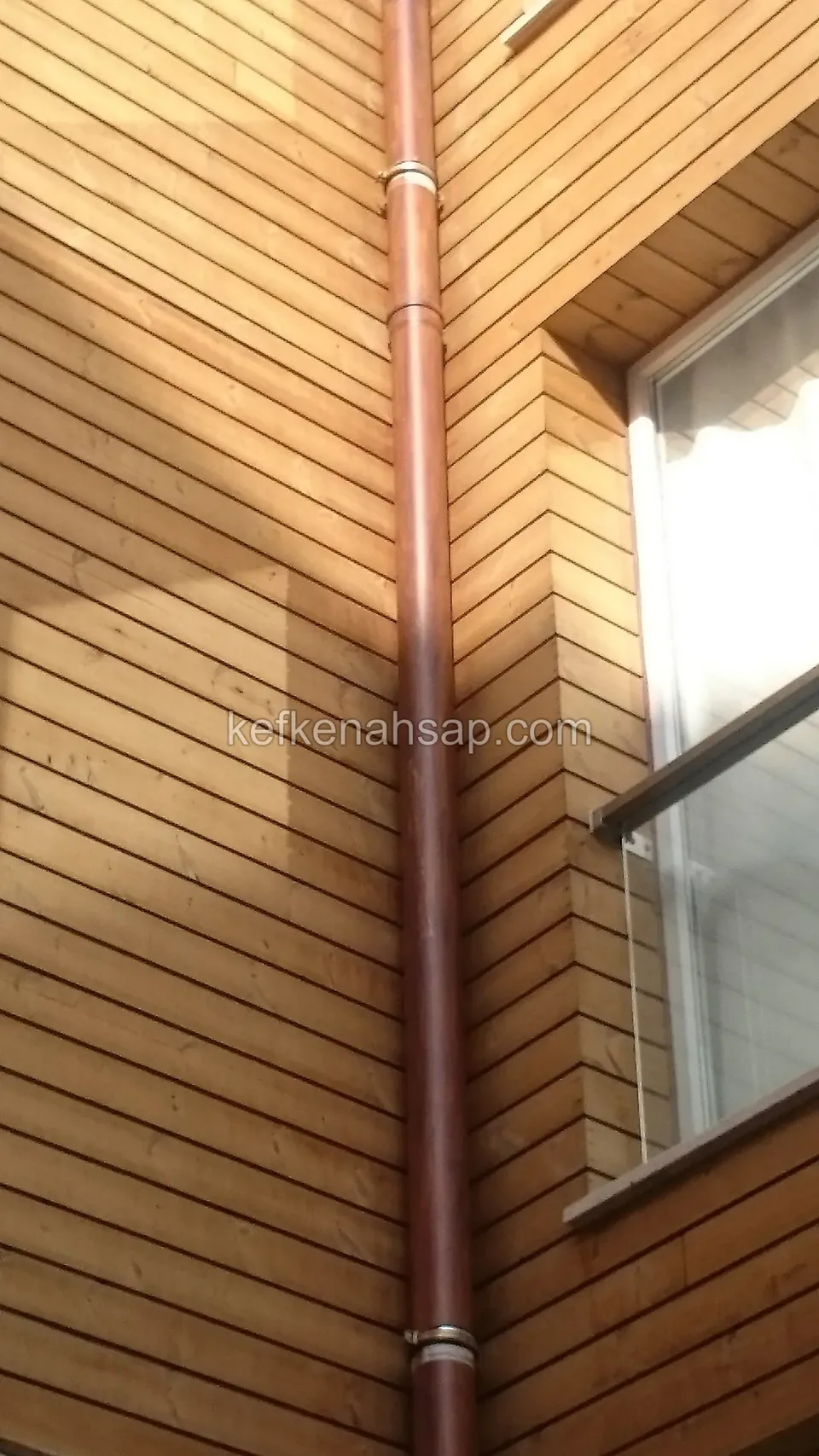
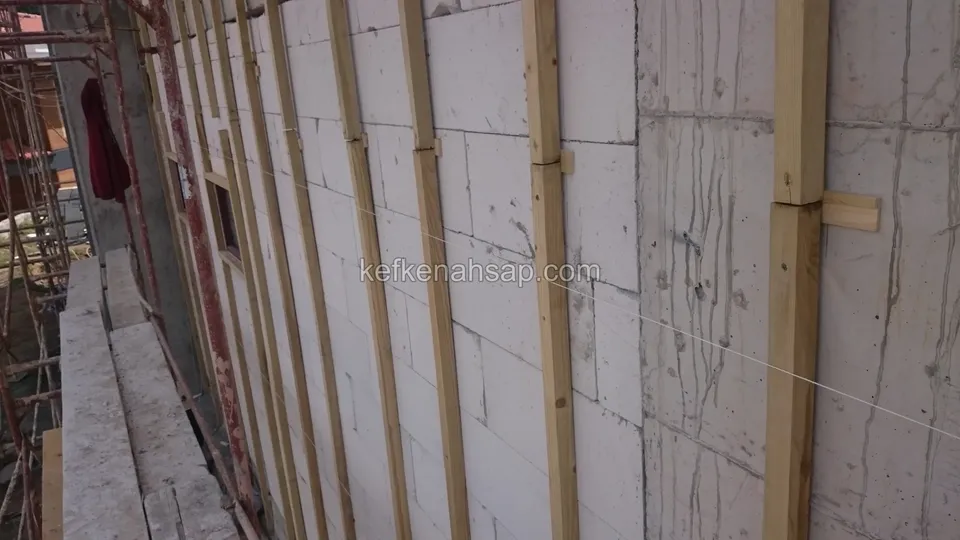
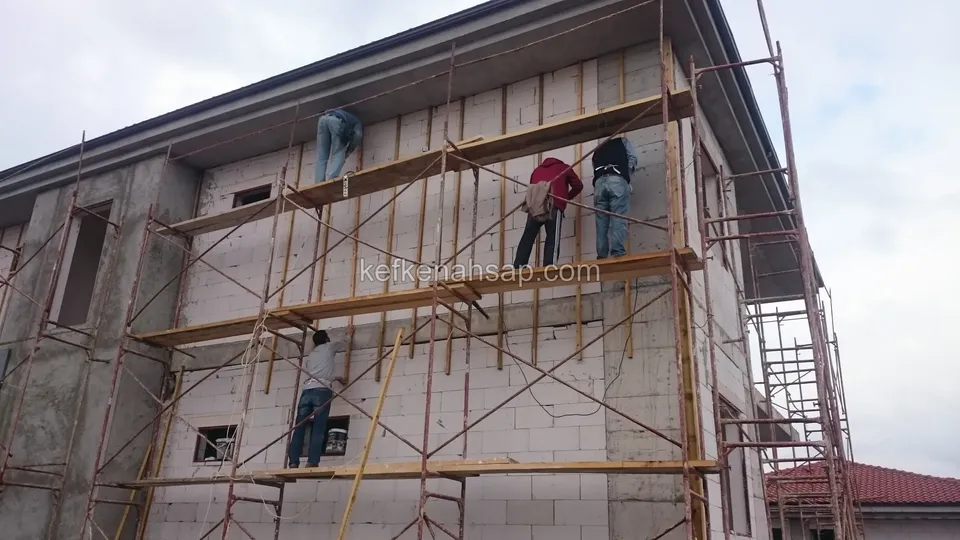
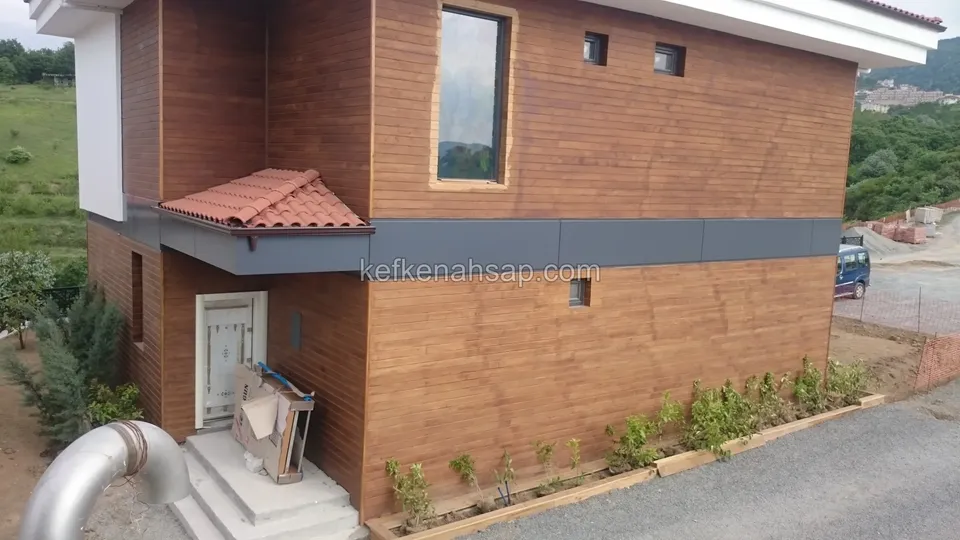
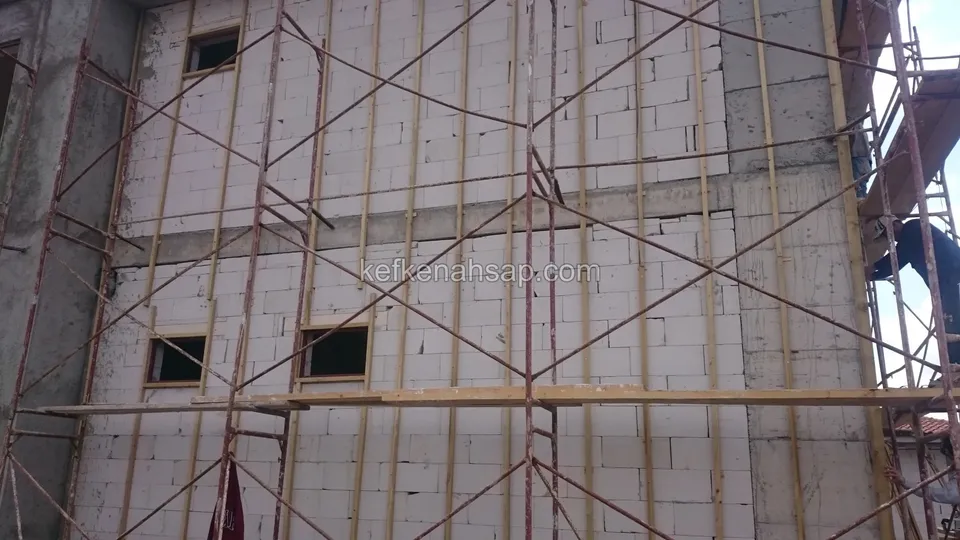
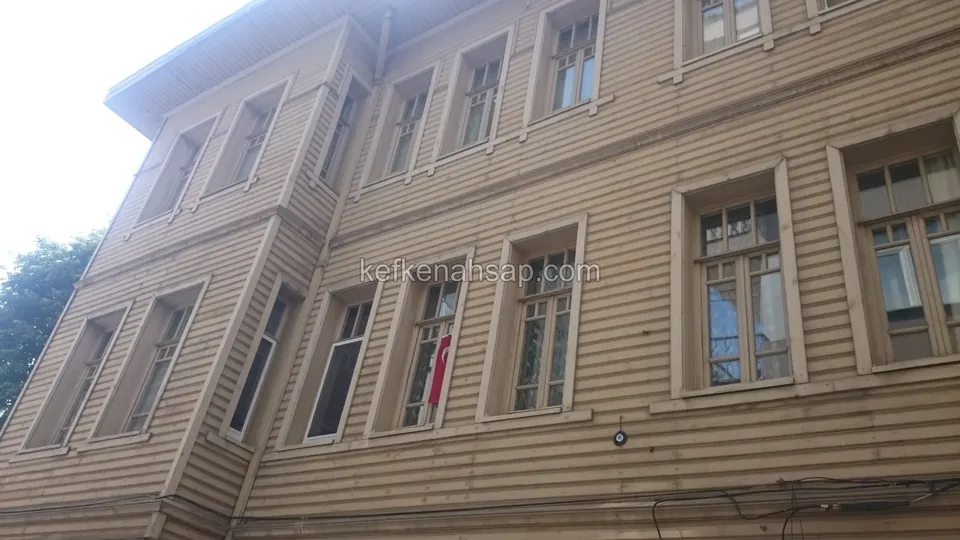
Kefken Ahşap Dekorasyon fits timber panelling and cladding indoors and out: tongue-and-groove panelling on ceilings, plain or slatted timber panelling on interior walls, and timber cladding on building facades. We prepare the boards and battens in our own workshop, and our own team fits them on site.
What work do panelling and cladding cover?
- Ceiling panelling: Tongue-and-groove boards on flat or sloping ceilings, in attic rooms and under the eaves. Panelling can follow the roof pitch or be laid in a geometric pattern.
- Interior wall panelling: Horizontal, vertical or slatted timber on walls, columns and partitions.
- Facade cladding: Horizontal or vertical timber cladding on the outer walls of existing or new buildings, together with window surrounds and shutters. Cladding can be painted white, varnished in a dark tone or combined with exposed timber beams.
What is the difference between tongue-and-groove panelling and slatted cladding?
Tongue-and-groove panelling is made of thin boards whose edges lock into each other; the boards meet without gaps and give a flat surface. Slatted cladding leaves gaps between the battens, which gives the surface a rhythm of light and shadow. On facades, overlapping (shiplap or lapped) boards and open slatted cladding are common. Behind facade cladding a subframe and a ventilation gap are left, so any water that gets behind dries out and the wall stays dry.
How does a cladding job work?
- Site visit: We see the surface and check the condition and dimensions of the wall or ceiling.
- Measurement and quote: We settle the direction, width, spacing and colour of the boards, and prepare a quote.
- Workshop preparation: Boards and battens are cut, profiled and, if you wish, painted in advance.
- Installation: A subframe is fixed to the wall or ceiling, the cladding goes on top of it and the final coat is applied.
What timber and finish are used?
Pressure-treated pine is generally used on facades. The preservative is pressed into the wood and makes it more resistant to rot, but it does not replace paint, varnish or oil on the surface. Indoors, pine is generally chosen for panelling. Cladding can be varnished, painted or oiled to keep its natural look.
How do you maintain timber facade cladding?
Sun and rain wear facade cladding the most. On elevations that get a lot of sun, the protective coat wears thin faster. When the colour fades or the surface flakes, it is lightly sanded and a new coat of paint, varnish or oil is applied. Interior panelling is kept away from sun and water, so it needs far less care.
Frequently asked questions
Can timber cladding be added to my existing building?
Yes. A subframe is fixed over the existing wall and the timber cladding is mounted on it. The direction, spacing and colour of the boards are decided together at the site visit.
Does panelling go on ceilings or walls?
Both. Tongue-and-groove panelling is used most on ceilings, in attic rooms and under the eaves, and is also a common choice for interior walls.
Can the colour of the cladding be changed later?
Yes. The surface can be sanded and painted or varnished in the colour you want. Going from a dark tone to a light one may take several coats.
Does the wall need to be even for cladding?
No. The cladding is fixed to the subframe, not directly to the wall, so small irregularities in the wall are taken up by the subframe.
What determines the price?
The area to be clad, whether it is indoors or outdoors, the timber, the board profile and the finish set the price. We give an exact figure after the site visit and measurement.
Get a price and timeline for Panelling and Cladding
Send a photo and the measurements of the space on WhatsApp and we will get back to you.
Areas we serve: Istanbul and across Türkiye